
2 Days in New York: Lower Manhattan History, Museum Culture & Broadway Nights
About New York
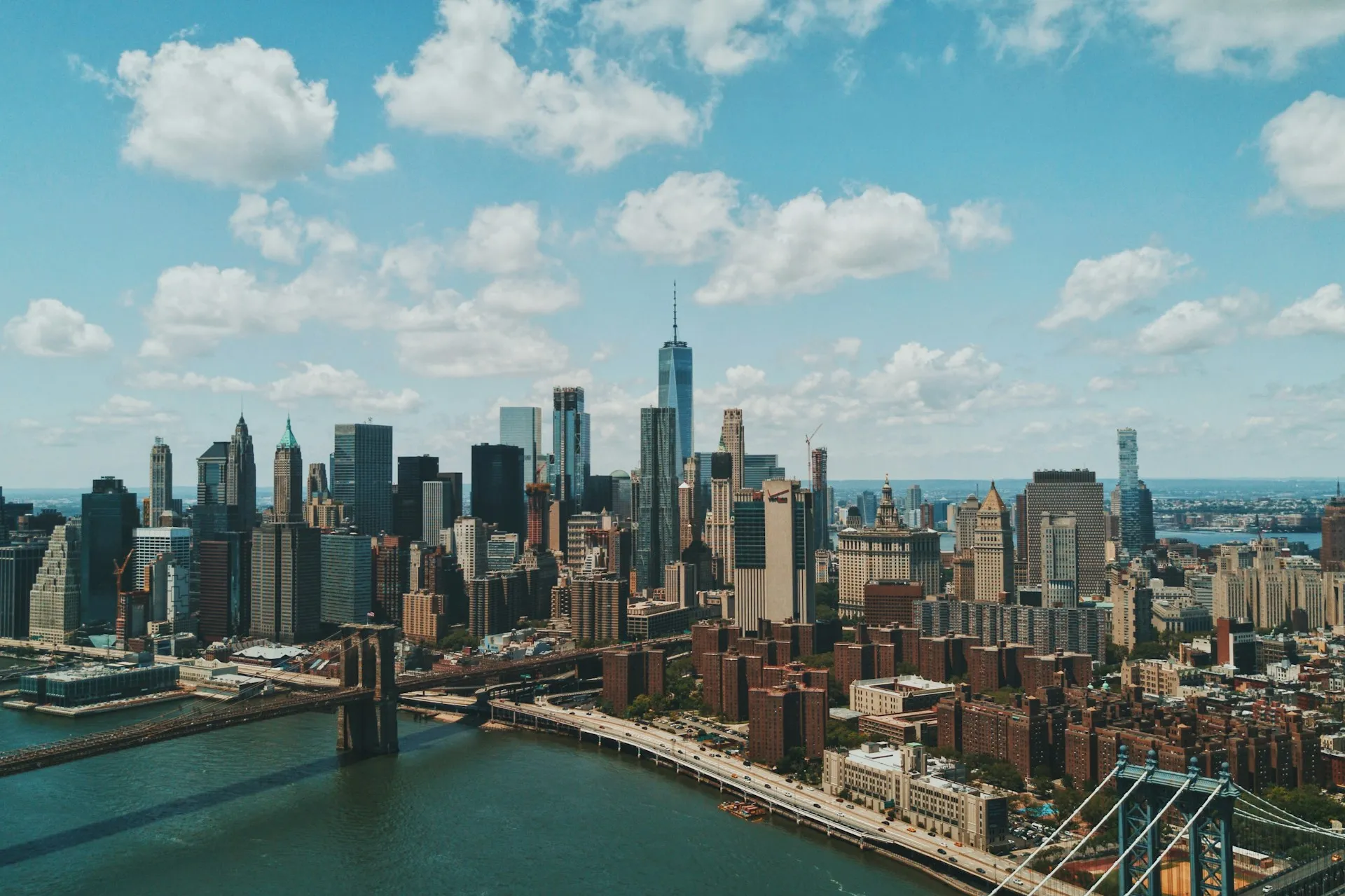
New York City, the vibrant metropolis that never sleeps, is a cultural melting pot where towering skyscrapers meet world-class museums and diverse neighborhoods. From the iconic Statue of Liberty and bustling Times Square to the serene Central Park and renowned Broadway theaters, NYC offers an unparalleled urban experience. The city's efficient subway system, rich history, and dynamic energy make it perfect for exploring on foot or by public transport. Whether you're interested in art, history, theater, or cuisine, New York's fast-paced atmosphere and endless possibilities will captivate visitors from around the world.Itinerary Details
Destination:
New York
Duration:
2 days
Currency:
USD ($)
Daily Budget:
$80-$120 / £65-£95
Itinerary Details
Destination:
New York
Duration:
2 days
Currency:
USD ($)
Daily Budget:
$80-$120 / £65-£95
Map - New York

Exploring Lower Manhattan
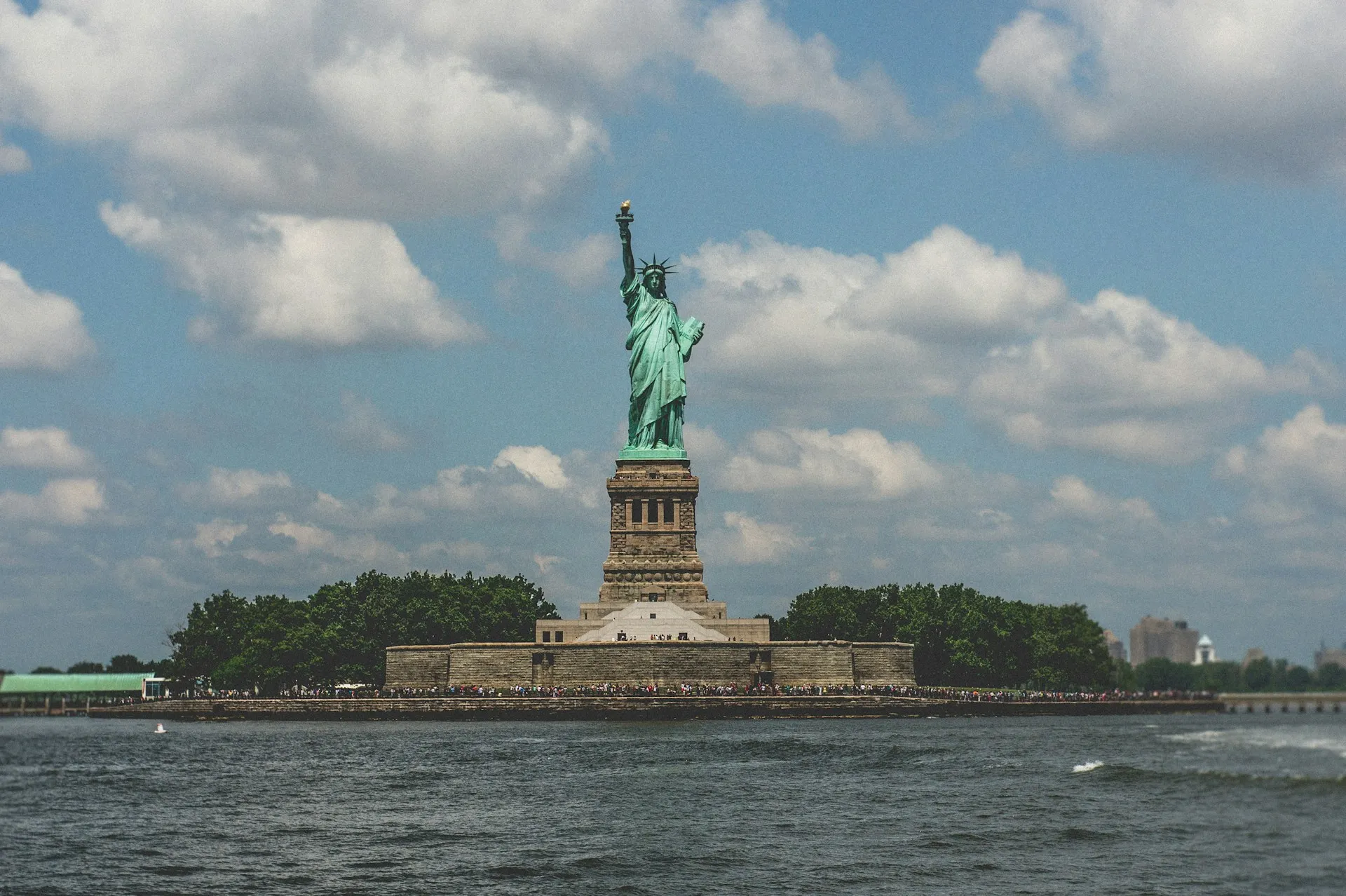
Start your day at Battery Park, where you can enjoy stunning views of the Statue of Liberty. From there, stroll towards Wall Street to see the famous Charging Bull statue and the iconic New York Stock Exchange. This area is rich in history, reflecting the financial heartbeat of the nation. After Wall Street, walk to 9/11 Memorial & Museum to pay your respects and learn about the events of September 11, 2001.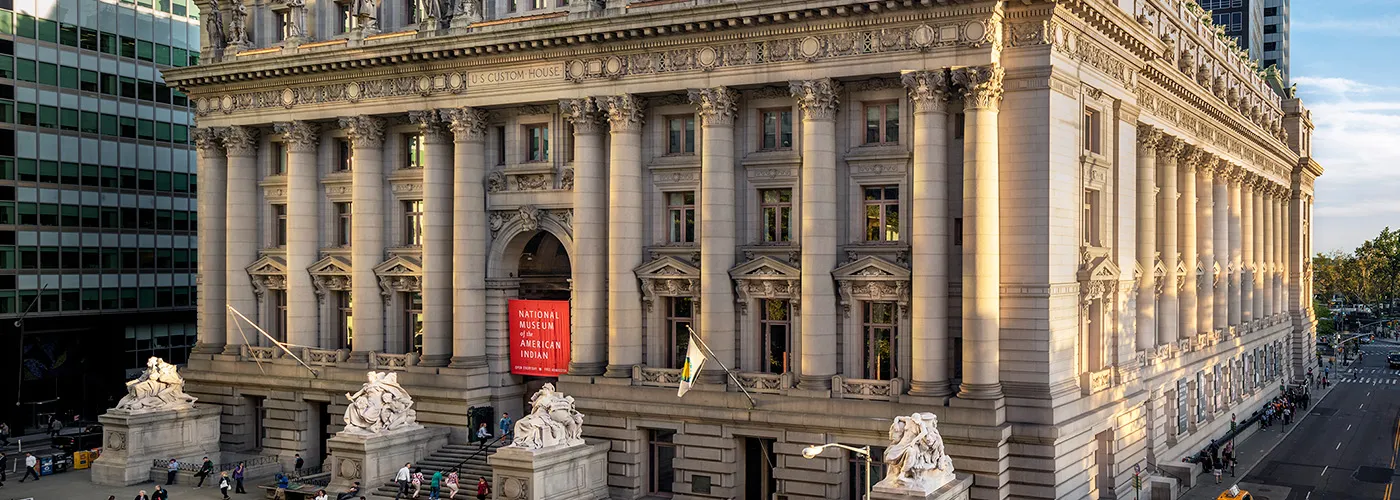

Visit the National Museum of the American Indian
After the museum, take a leisurely walk to National Museum of the American Indian located in the historic Custom House. The museum showcases the rich history and cultures of Native Americans. Spend some time exploring the exhibits, and don't forget to check out the stunning architecture of the building itself. After your visit, stroll through Battery Park again for a refreshing break by the water.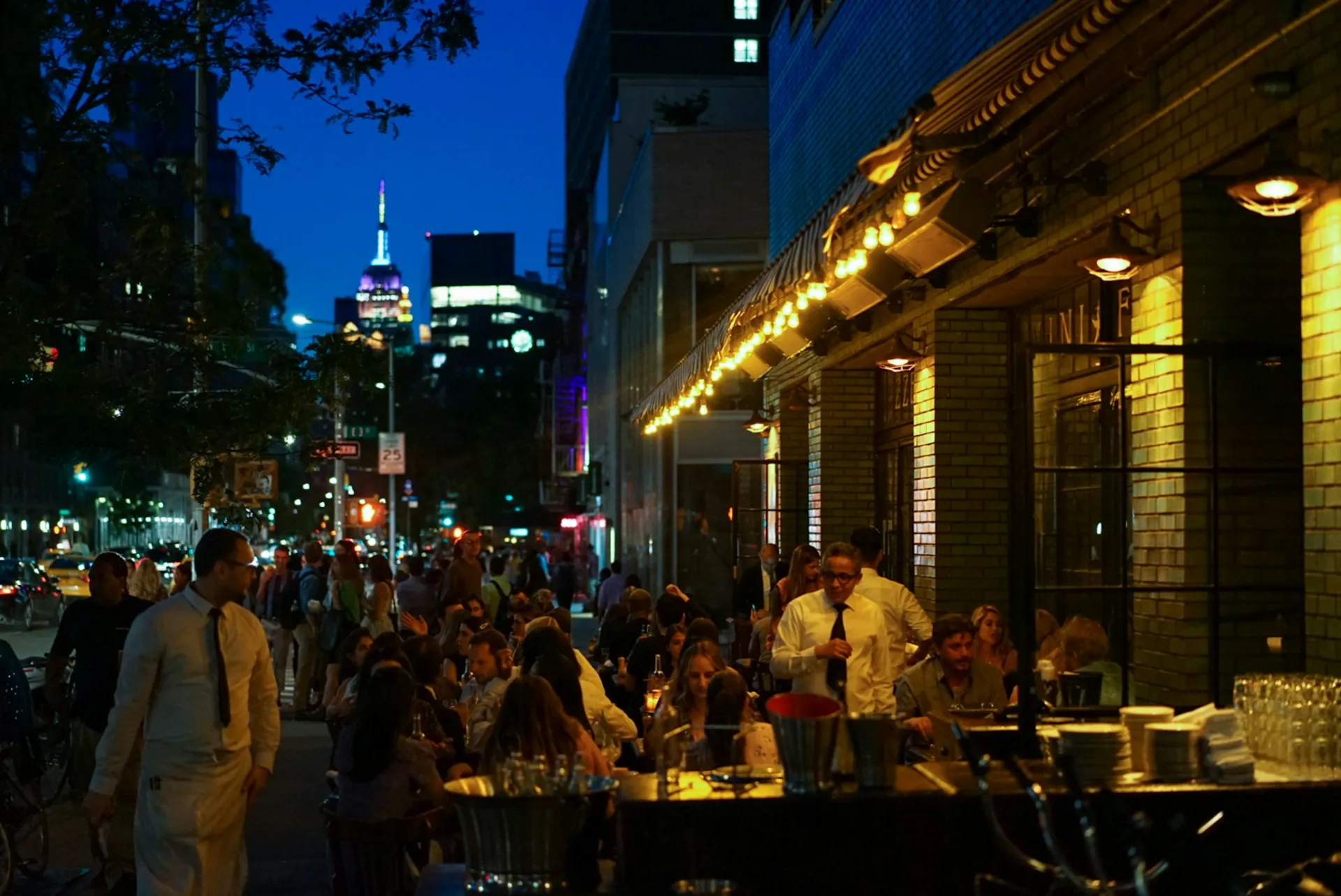

Dinner in Tribeca
End your day with a delightful dinner in the trendy Tribeca neighborhood. Choose from a variety of restaurants offering everything from Italian to Asian cuisine. After dinner, take a leisurely walk around the cobblestone streets and enjoy the vibrant atmosphere of this historic district. If you have time, stop by Tribeca Film Center, a great spot to catch a glimpse of New York's film culture.
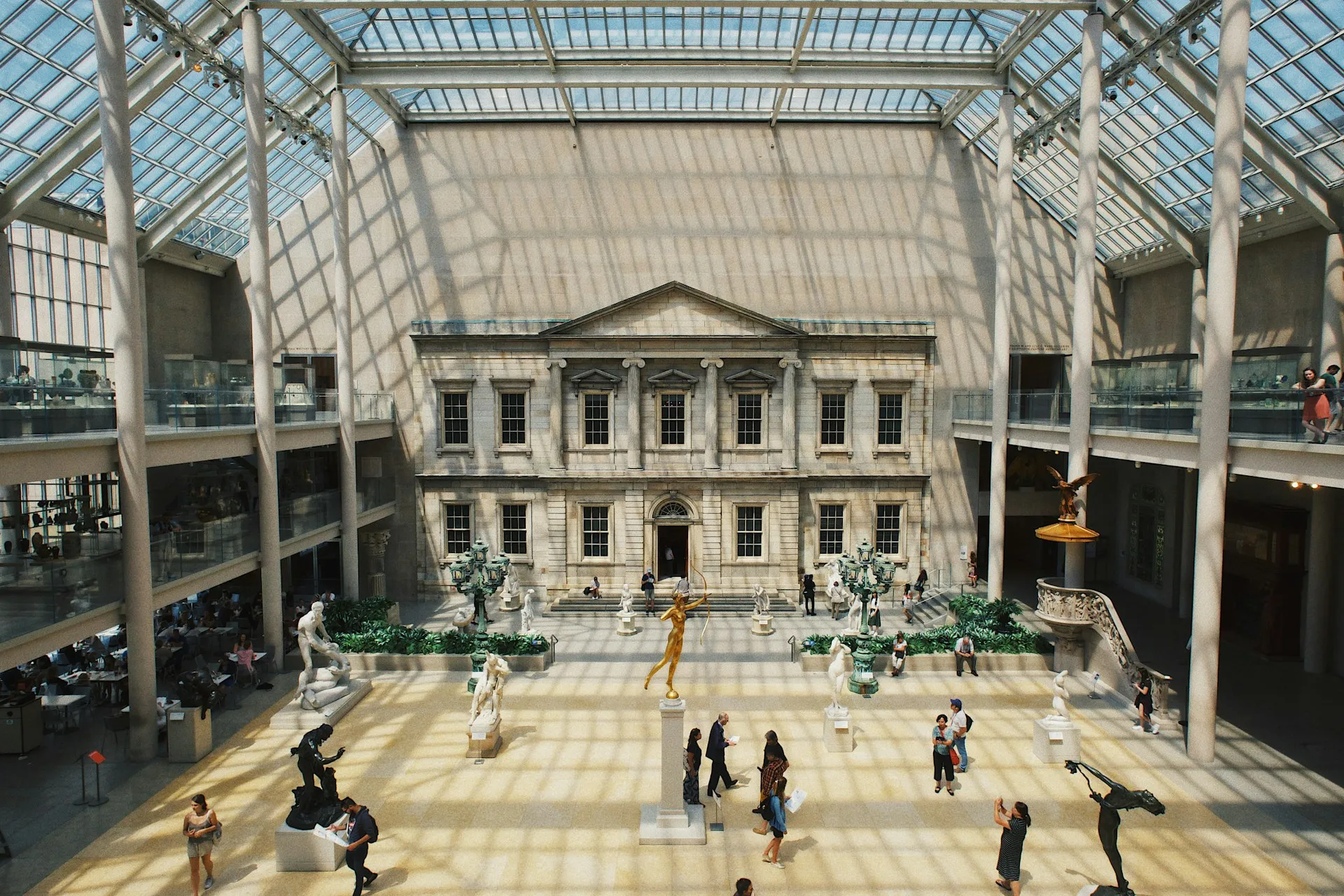

The Met Experience
Begin your day at the magnificent Metropolitan Museum of Art. Take the subway to Central Park and enjoy a leisurely walk to the museum. Inside, you can explore a vast collection of art spanning over 5,000 years. Make sure to check out the Egyptian Art section, which includes an impressive temple. Allow a few hours for this immersive experience.

Stroll through Central Park
After your museum visit, exit to Central Park for a relaxing stroll. Head towards Bethesda Terrace, a beautiful spot to rest and enjoy the views of the fountain and surrounding gardens. Continue your walk to Strawberry Fields, a memorial to John Lennon, where you can take a moment to reflect. This is a perfect place for some quiet time amidst the city hustle.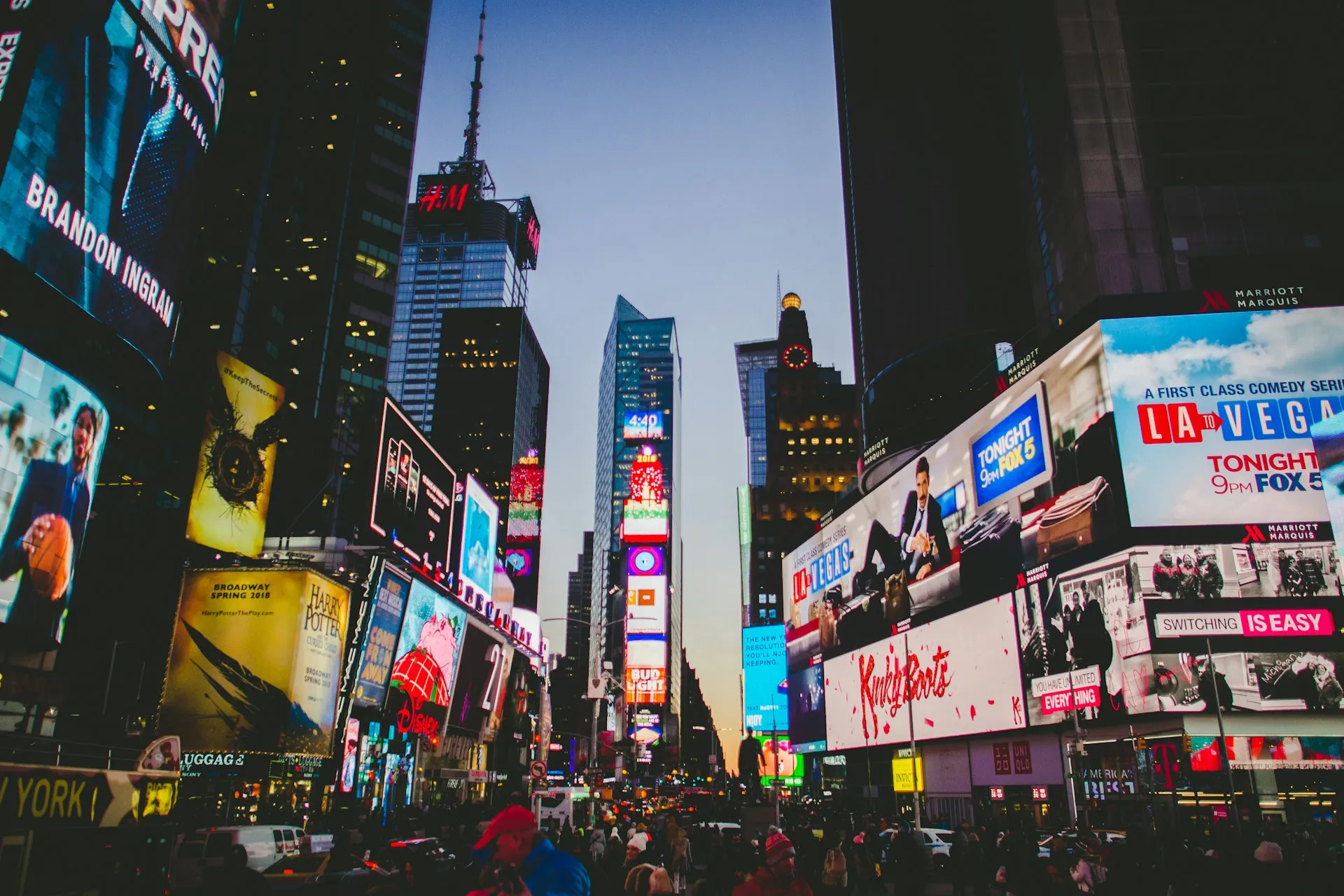

Broadway Show
Conclude your trip with a classic New York experience: a Broadway show! Head to Times Square via subway and immerse yourself in the vibrant lights and energy of the area. Check out what's playing that evening and purchase a ticket for a show that piques your interest. Enjoy the excitement of live theater in one of the most famous districts in the world!Weather & packing guide
Weather forecast & a tailored packing list come with your personalized New York itinerary — matched to your travel dates.
Transport Recommendations
Airport Transfer
- •From JFK, AirTrain plus the subway or LIRR usually gets you into Manhattan in about 45-60 minutes, while Newark AirTrain plus NJ Transit often reaches Penn Station in roughly 35-45 minutes.
Public Transport
- •Use the NYC subway for the big jumps between Lower Manhattan, Midtown, and the Upper East Side, then walk once you are inside each neighborhood cluster.
- •Crosstown buses can save you on routes like the east-west move near Central Park, but they are slower than the subway during heavier traffic.
Tickets & Passes
- •OMNY is the simplest option for a short trip because you can tap the subway and buses with the same card or phone instead of buying a MetroCard first.
- •Use one device or one card per traveler; sharing the same phone between two people breaks fare tracking and weekly caps.
Walking & Biking
- •New York is walkable in chunks like Wall Street to the 9/11 Memorial or Central Park to the Met, but long avenues and museum time push many travelers into the 10-15k step range.
- •Wear comfortable shoes and treat Midtown crossings as time-consuming, because traffic lights and dense sidewalks make even short distances slower than they look on the map.
Taxis & Rideshare
- •Yellow cabs and rideshares are most useful late at night, when you have luggage, or when a direct ride saves you from several subway changes.
Cash vs Card
- •Cards handle almost all NYC transport, so cash is mainly backup rather than something you need for moving around.
Local Tips
Regional Food
- •Bagels, pizza slices, deli sandwiches, and halal carts are often the best-value NYC meals when you want to keep museum days moving without spending sit-down time and money.
Neighborhoods
- •For a short Manhattan trip, the West Village feels slower than Midtown, the Lower East Side is better for casual food, and Harlem works well if you want live music or a different side of the city.
Cultural Etiquette
- •New Yorkers move fast, so do not stop at the top of subway stairs or in the middle of sidewalks when you check maps or tickets.
Money & Safety
- •Observation decks and ticketed museums can stack up quickly in New York, so balance paid highlights with free time in Central Park, Battery Park, or neighborhood walks.
Frequently Asked Questions
Use the subway plus walking. The subway handles the long Manhattan jumps well, while Lower Manhattan, Central Park, and museum areas are easiest once you are already on foot.
Yes for the big timed sights. The Statue of Liberty ferry, 9/11 Museum, and Broadway shows are much easier when booked ahead, especially on weekends and in peak travel months.
Partly, not completely. Expect around 10-15k steps per day and use the subway for longer moves like Lower Manhattan to the Met or Midtown.
Use OMNY unless you specifically need a MetroCard. Tapping your phone or bank card is simpler for a short NYC trip and works across the subway and buses.
Spring and fall are the easiest seasons. April to June and September to early November usually give you the best balance of walking weather and city energy.
Yes in the main visitor areas, with normal city awareness. Keep valuables secure, stay in busier subway cars late at night, and use licensed cabs or rideshares when needed.
Cards are accepted almost everywhere in NYC. Carry a little cash only for tips, small vendors, or backup at food carts.
Tip 18-20% at restaurants. Around $1-2 per drink at bars and 15-20% for taxis follows the normal New York pattern.
Book 1-2 weeks ahead for popular shows. Same-day rush and lottery options exist, but they only work well if you are flexible.
Plan New York in clusters. Lower Manhattan, Midtown, and the Upper East Side each work well as half-day blocks, and trying to bounce between them too often wastes subway time.
Ready for Your Next Adventure?
Loved this itinerary? Let's create another personalized travel experience just for you. Discover new destinations and make more unforgettable memories.
Start Planning Your Next TripHow was your itinerary?
Look into other itineraries
Keep exploring other destinations you might love!
Make this New York trip yours
Tailored to your dates, budget, pace & interests