Eiffel Tower and Seine River, Paris

Paris

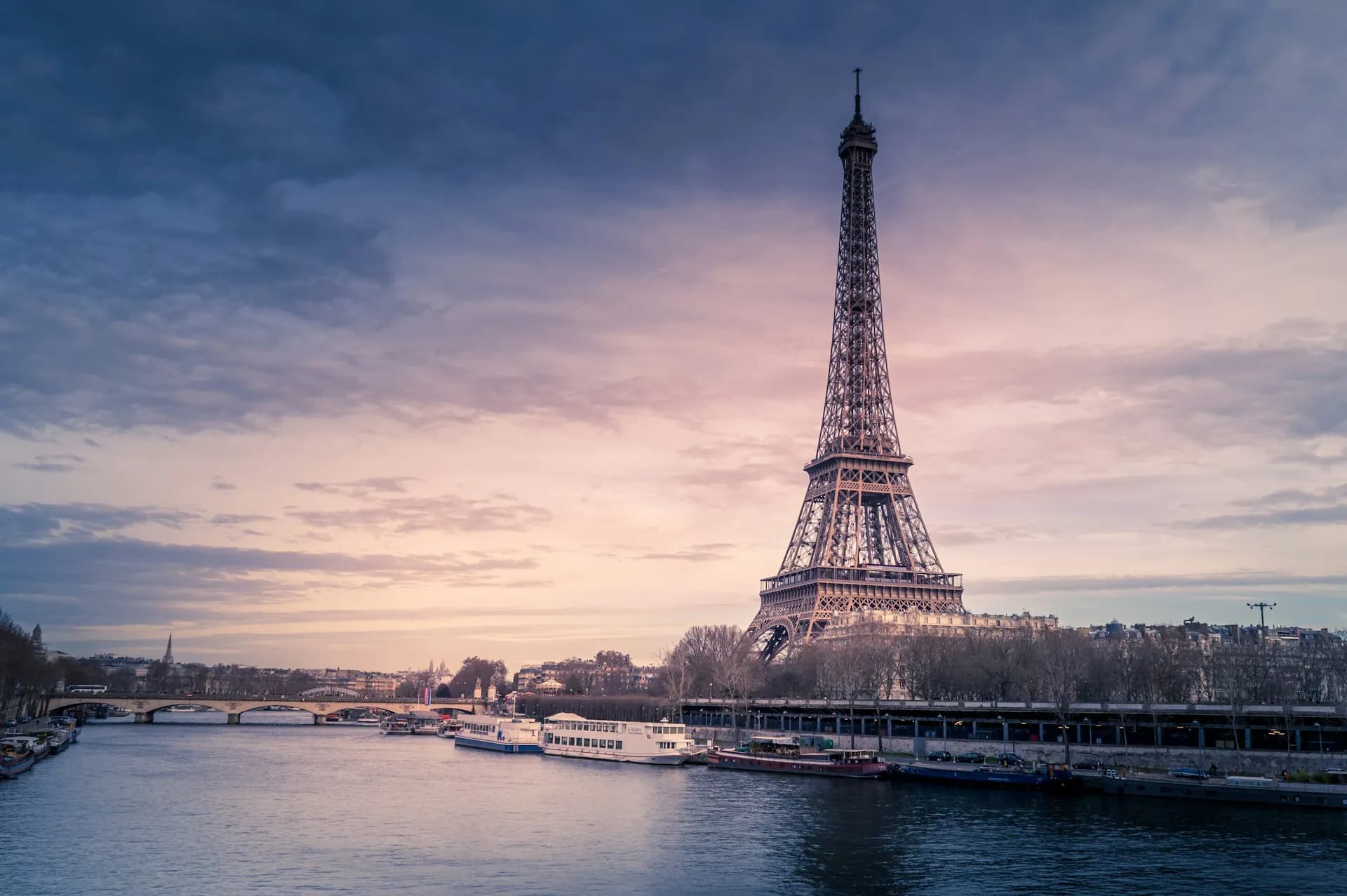
Eiffel Tower and Seine River, Paris

Photo by Chris Karidis

About Paris

Paris, the City of Light, blends timeless elegance with vibrant culture. From the soaring Eiffel Tower and grand boulevards to intimate cafés and world‑class museums, Paris invites slow wandering and discovery. Historic neighborhoods like Le Marais and Montmartre offer charm at every turn, while the efficient metro and walkable streets make exploring effortless.

Where to Stay in Paris

In Paris, different neighbourhoods feel worlds apart, mostly by how close they are to the main sights versus nightlife and local streets.

Le Marais (3rd and 4th arr.)

Best for: First-time visitors who like charm and easy walking

A great base for first-timers because it’s central, walkable, and packed with classic Paris streets and sights like the Musée Picasso and Place des Vosges. You’ll also get a lively but not chaotic vibe, plus straightforward Metro access around the Centre Pompidou area.
Saint-Germain-des-Prés (6th arr.)

Best for: Romantic trips and people who want a calmer, classic feel

This area suits travellers who want quieter evenings and a more bookish, café culture atmosphere. It’s right by Luxembourg Gardens and close to major stops like the Seine and the Musée d’Orsay, with excellent Metro links around Saint-Germain-des-Prés and Odéon.

Latin Quarter (5th arr.)

Best for: Budget-conscious travellers and groups who want atmosphere

The Latin Quarter is ideal if you’re watching your budget but still want real energy, because it’s full of student-life streets, markets, and lots of affordable eats. You’re also near the Panthéon and the lively Seine-side walks, and Metro connections make it easy to hop to the rest of the city.

Montmartre (18th arr.)

Best for: Nightlife without losing the view

Montmartre fits travellers who want evening drinks and that famous hillside atmosphere, with big views over Paris from places near Sacré-Cœur. It’s a fun base for nightlife along Rue des Abbesses and nearby streets, with buses and Metro options via Anvers to get you back quickly.

Canal Saint-Martin (10th arr.)

Best for: A more local feel and relaxed evenings

If you want something less museum-heavy, Canal Saint-Martin is a strong pick for local hangouts, brunch spots, and waterside strolls. It’s well connected by Metro and nearby stations, and the area’s laid-back vibe makes it easy to decompress after days exploring central attractions.

When to Visit

Jan
45 ºF / 7 ºC
13 days of rain
Low
Feb
50 ºF / 10 ºC
10 days of rain
Low
Mar
55 ºF / 13 ºC
14 days of rain
Moderate
Apr
59 ºF / 15 ºC
12 days of rain
Busy
May
66 ºF / 19 ºC
14 days of rain
Busy
Jun
75 ºF / 24 ºC
13 days of rain
Very busy
Jul
77 ºF / 25 ºC
12 days of rain
Very busy
Aug
77 ºF / 25 ºC
12 days of rain
Very busy
Sep
72 ºF / 22 ºC
14 days of rain
Busy
Oct
64 ºF / 18 ºC
13 days of rain
Moderate
Nov
52 ºF / 11 ºC
12 days of rain
Low
Dec
48 ºF / 9 ºC
10 days of rain
Busy

Things to Do in Paris

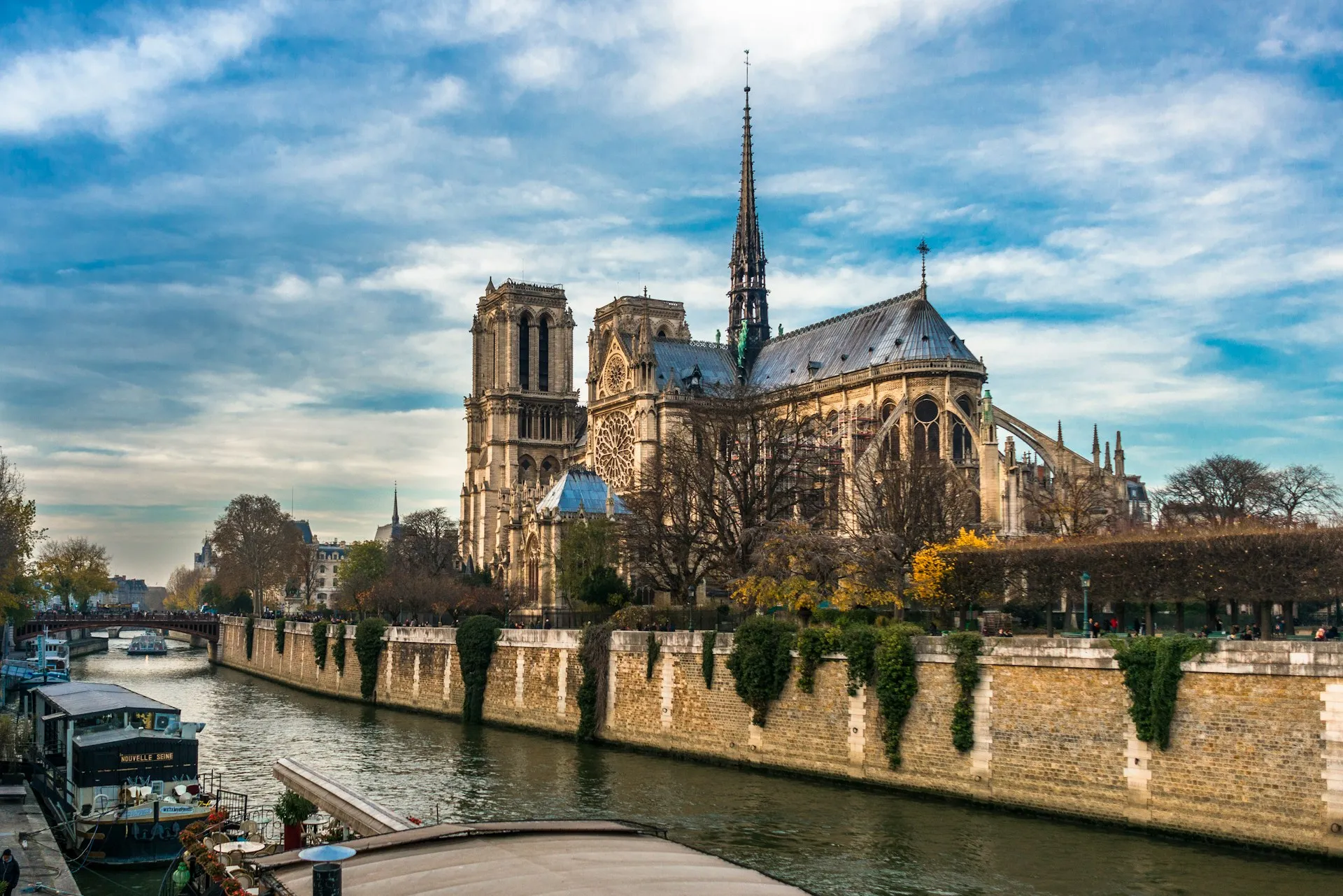
Notre-Dame Cathedral, Paris
🏰

Notre-Dame Cathedral

Notre-Dame is one of Paris's defining landmarks, and the surrounding Ile de la Cite makes an easy first stop for Gothic architecture, Seine views, and nearby Sainte-Chapelle.

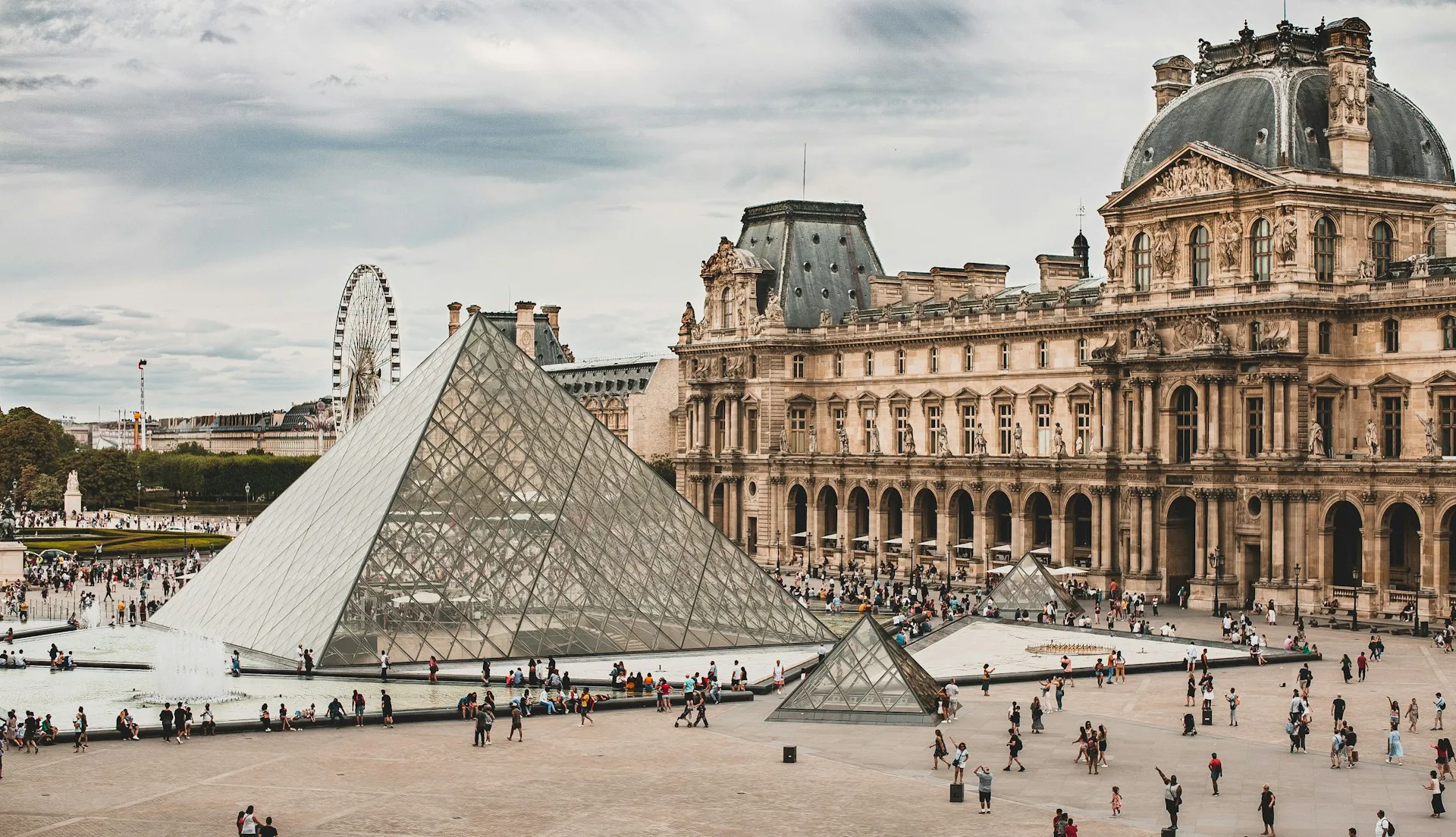
Louvre Museum, Paris
🎨

Louvre Museum

The Louvre is one of the world's great museums, with headline works like the Mona Lisa plus centuries of art and architecture packed into a vast former royal palace.

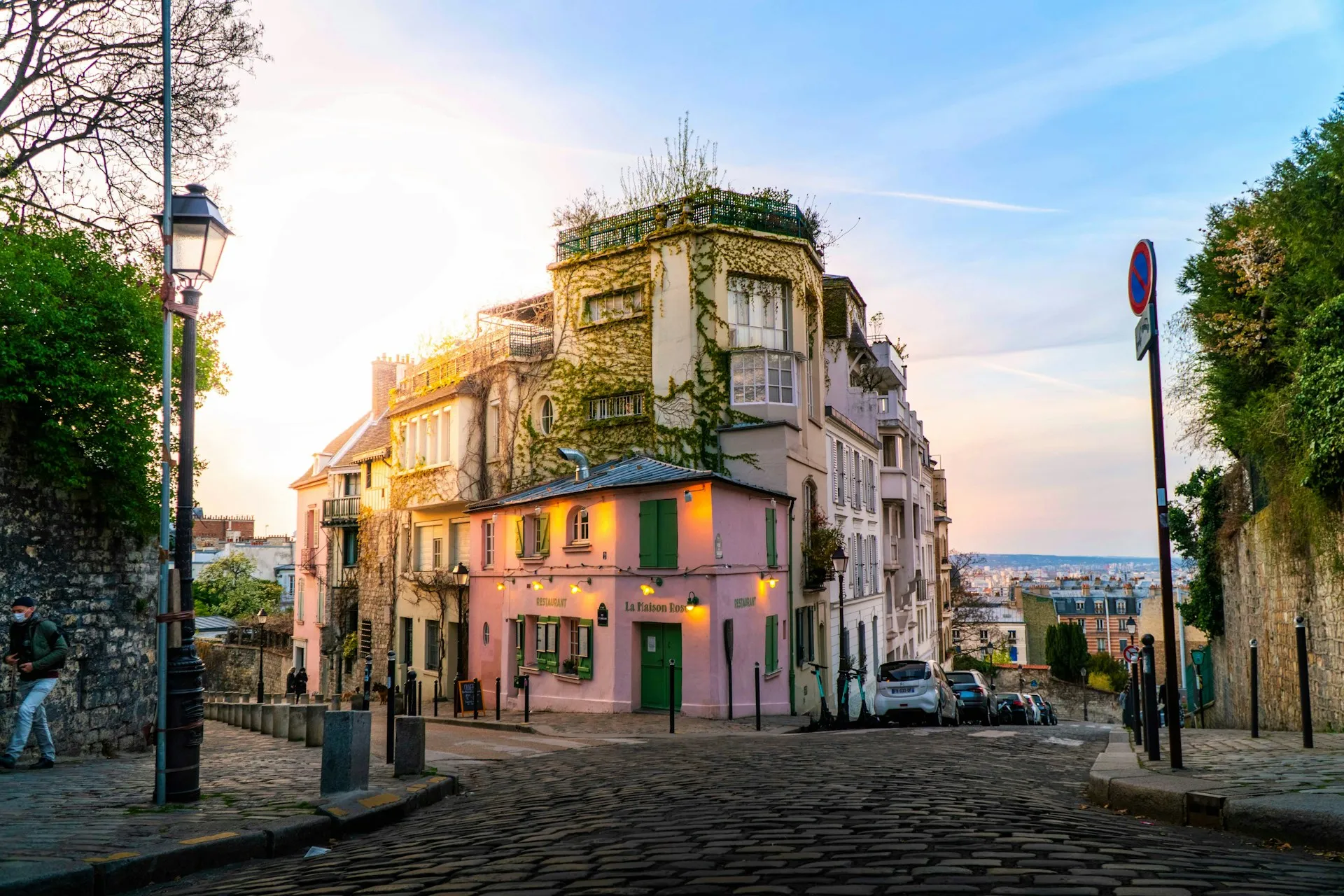
Montmartre, Paris
🌆

Montmartre

Montmartre mixes village-like streets, artist squares, and one of the best viewpoints in Paris from Sacre-Coeur, making it one of the city's most atmospheric neighborhoods to wander.

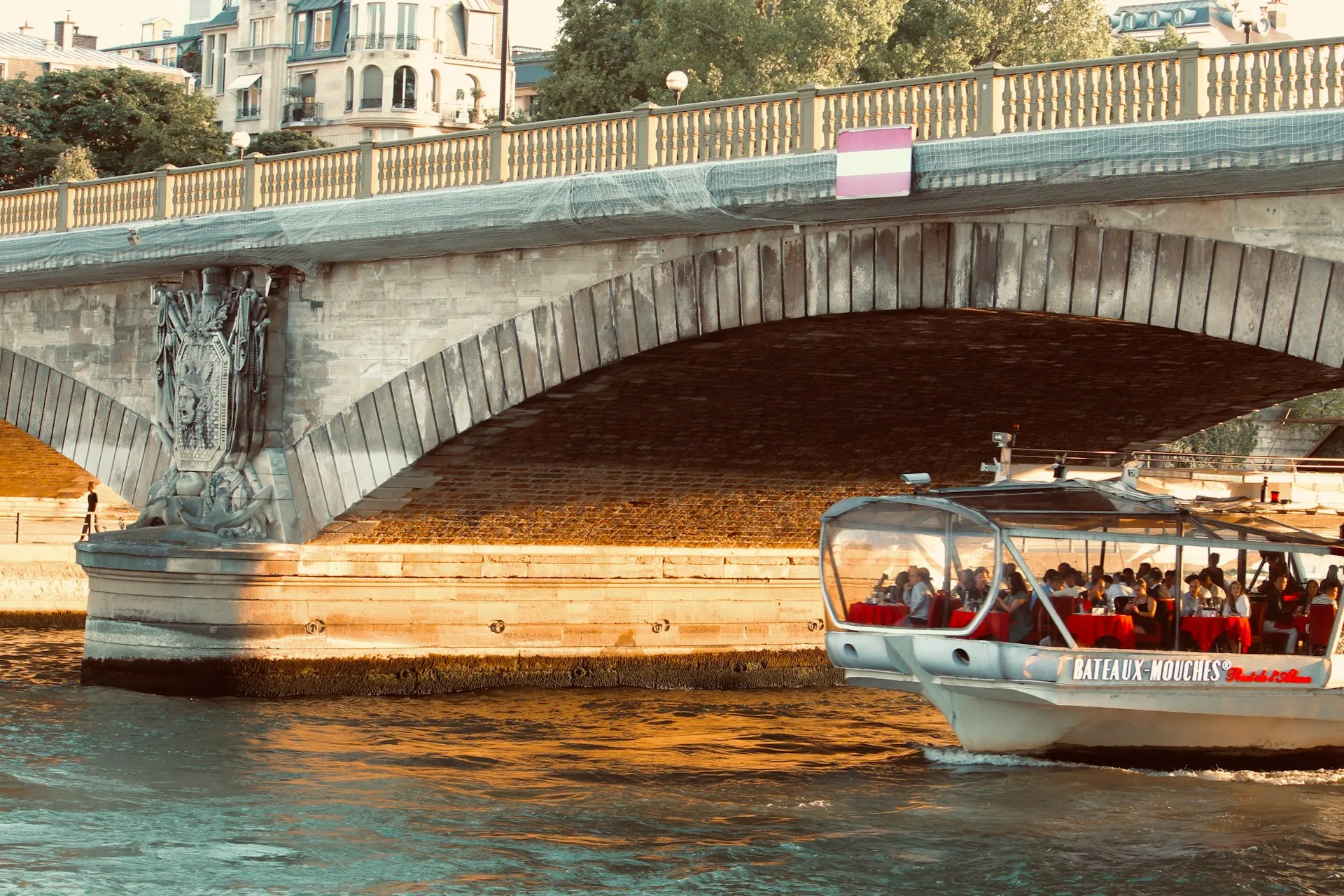
Seine River, Paris
🚶‍♂️

Seine River Walk

Walking along the Seine is one of the easiest ways to experience Paris, especially around Pont Alexandre III and the museum-lined riverbanks near the Left Bank.

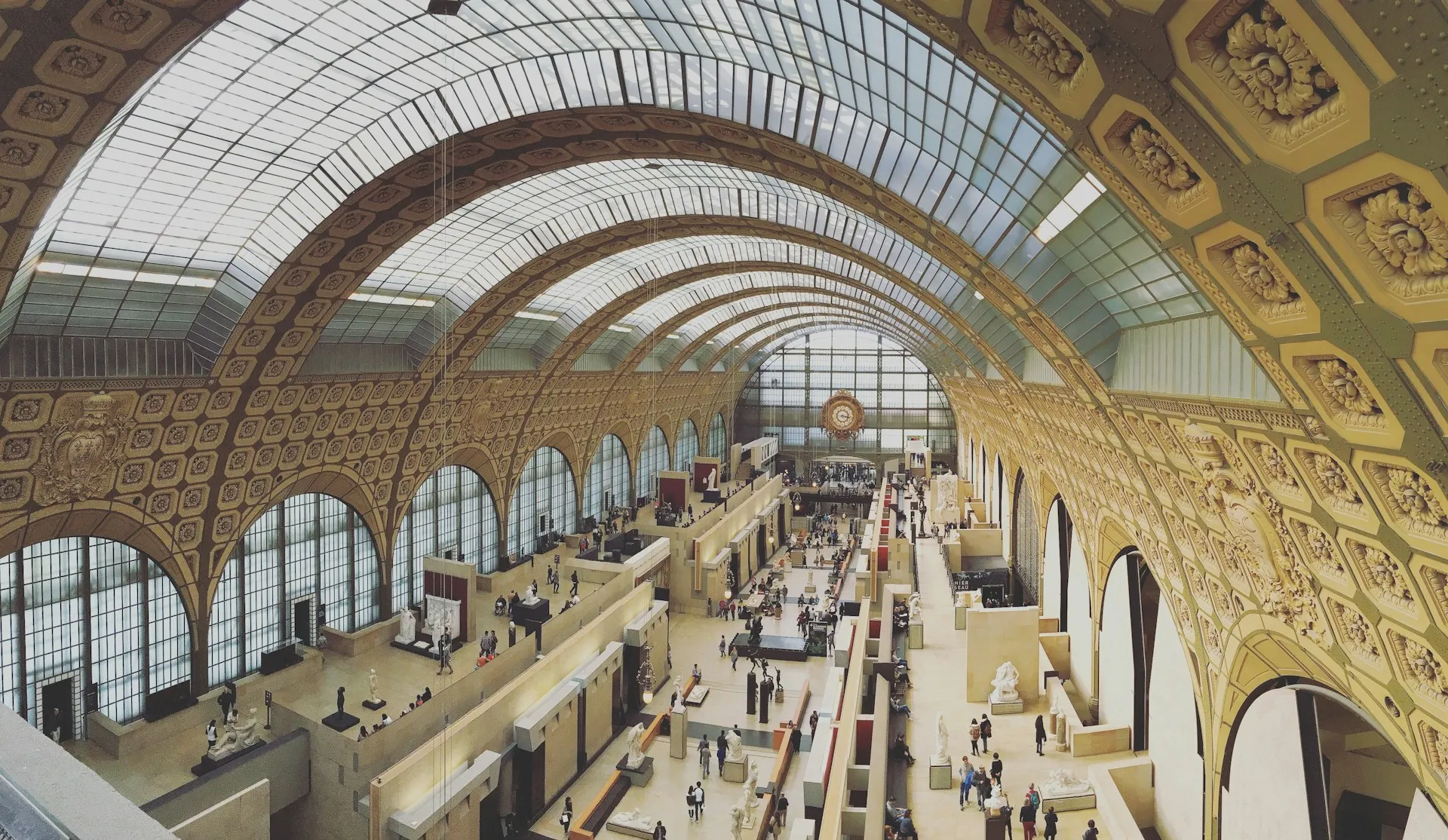
Musée d'Orsay, Paris
🖼️

Musee d'Orsay

Musee d'Orsay is one of the best museum swaps or complements to the Louvre, with outstanding Impressionist and Post-Impressionist collections inside a former railway station.

Explore all things to do in ParisView all place guides

Paris Itineraries

Paris FAQ

April to June and September to October are the easiest months for most travelers. You usually get long walking days, pleasant temperatures, and slightly easier sightseeing conditions than peak summer.

Three to four days is a strong first-trip baseline for Paris. That gives you enough time for major museums, one or two neighborhoods beyond the center, and slower cafe or riverfront time without turning the trip into a checklist.

Yes for the biggest timed attractions. The Eiffel Tower, Louvre, Sainte-Chapelle, Musee d'Orsay, and Catacombs are much smoother when booked ahead, especially in spring, summer, and holiday periods.

Yes, Paris is highly walkable inside each neighborhood cluster, but most visitors should still use the Metro for longer hops. A typical day often works best as a mix of walking plus a few short transit rides.

The 1st, 4th, 5th, 6th, and 7th arrondissements are practical for a first stay because they keep you close to major sights, good Metro links, and the kind of streets many visitors imagine when they picture Paris.

Paris is generally manageable for tourists with normal big-city awareness. The main issue is petty theft in crowded Metro stations and around top sights, so keep bags zipped, avoid leaving phones on cafe tables, and stay alert in dense crowds.
Paris Travel Guide – Itineraries, When to Visit & Things To Do