
3 Days in Paris: Cathedral Day, Louvre Art Stops, Montmartre Walks

About Paris
Paris, the City of Light, blends timeless elegance with vibrant culture. From the soaring Eiffel Tower and grand boulevards to intimate cafés and world‑class museums, Paris invites slow wandering and discovery. Historic neighborhoods like Le Marais and Montmartre offer charm at every turn, while the efficient metro and walkable streets make exploring effortless.Itinerary Details
Destination:
Paris
Duration:
3 days
Currency:
EUR (€)
Daily Budget:
€60-€95 / $65-$105
Itinerary Details
Destination:
Paris
Duration:
3 days
Currency:
EUR (€)
Daily Budget:
€60-€95 / $65-$105
Map - Paris
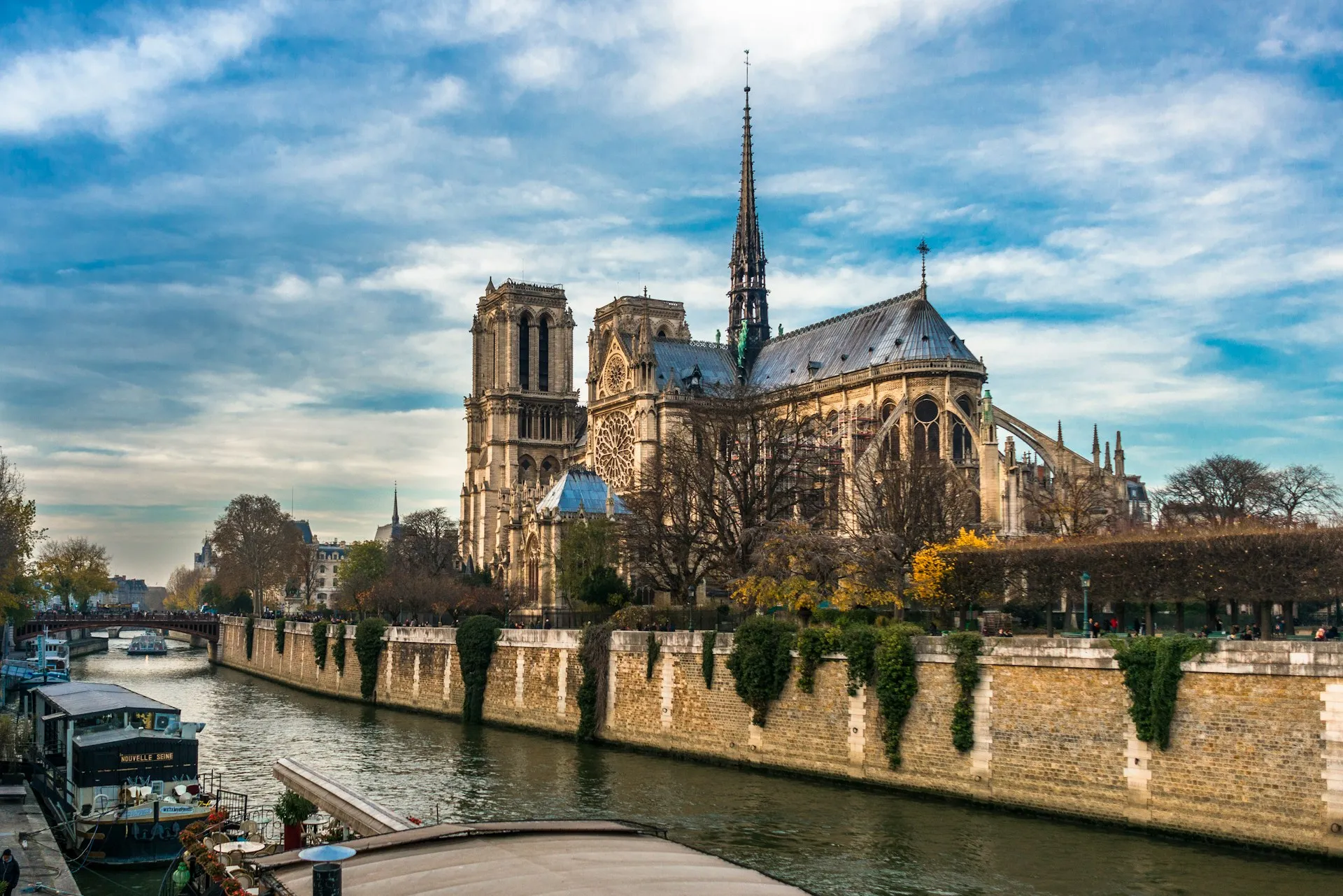

Exploring Notre-Dame Cathedral
Start your day at Notre-Dame Cathedral, an iconic masterpiece of French Gothic architecture. As you walk around, admire the stunning façade and intricate sculptures. Don't forget to take a moment to sit by the Île de la Cité and enjoy the view of the Seine River. You may also want to check out the nearby Sainte-Chapelle with its magnificent stained glass windows.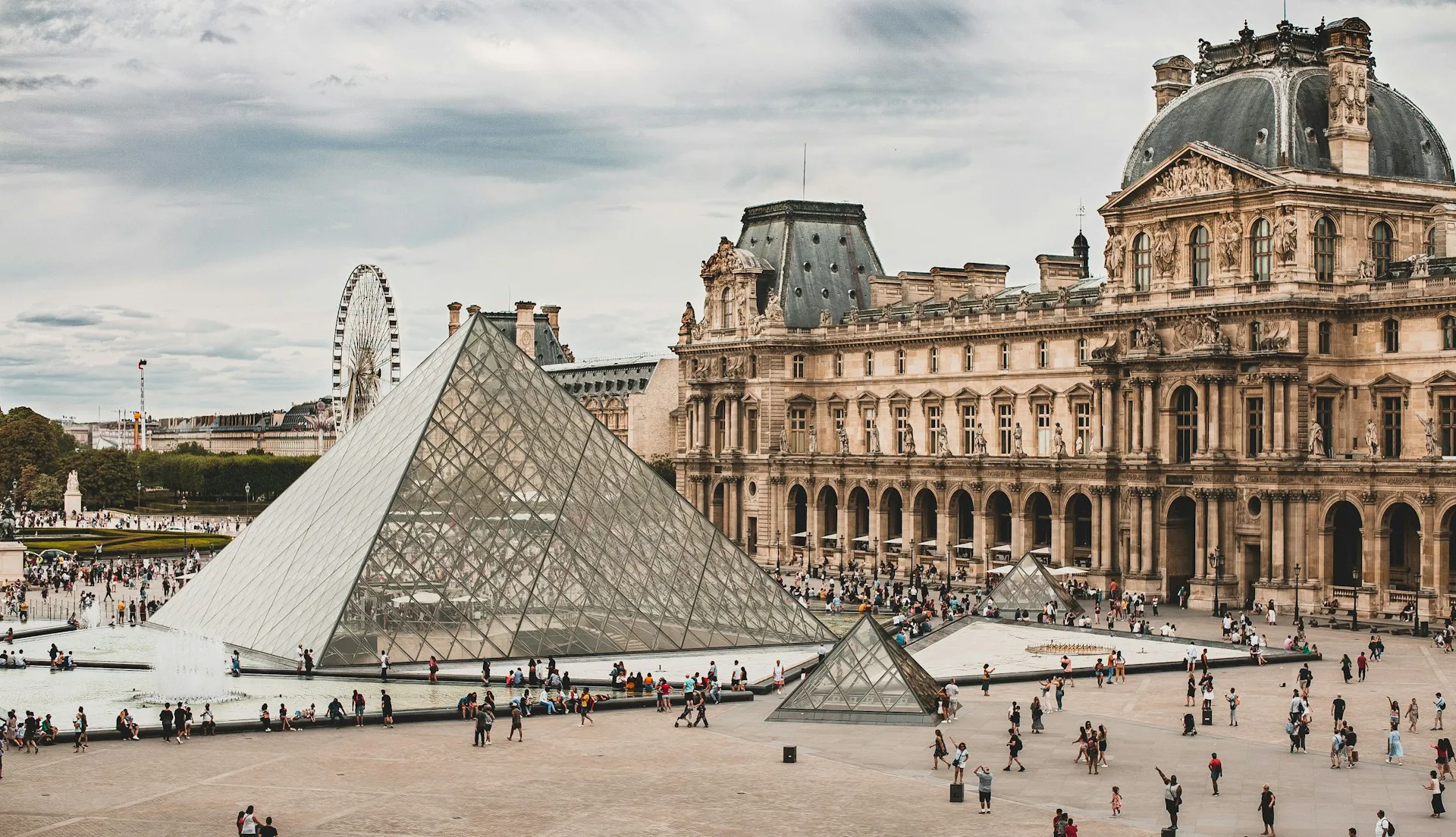

Visit the Louvre Museum
After lunch, head to the Louvre Museum. Take the metro or walk along the Seine for a scenic route. Here, you can immerse yourself in thousands of years of art history and see the famous Mona Lisa. Remember to book your ticket online to avoid long queues. Enjoy a leisurely stroll through the beautiful Tuileries Garden afterward.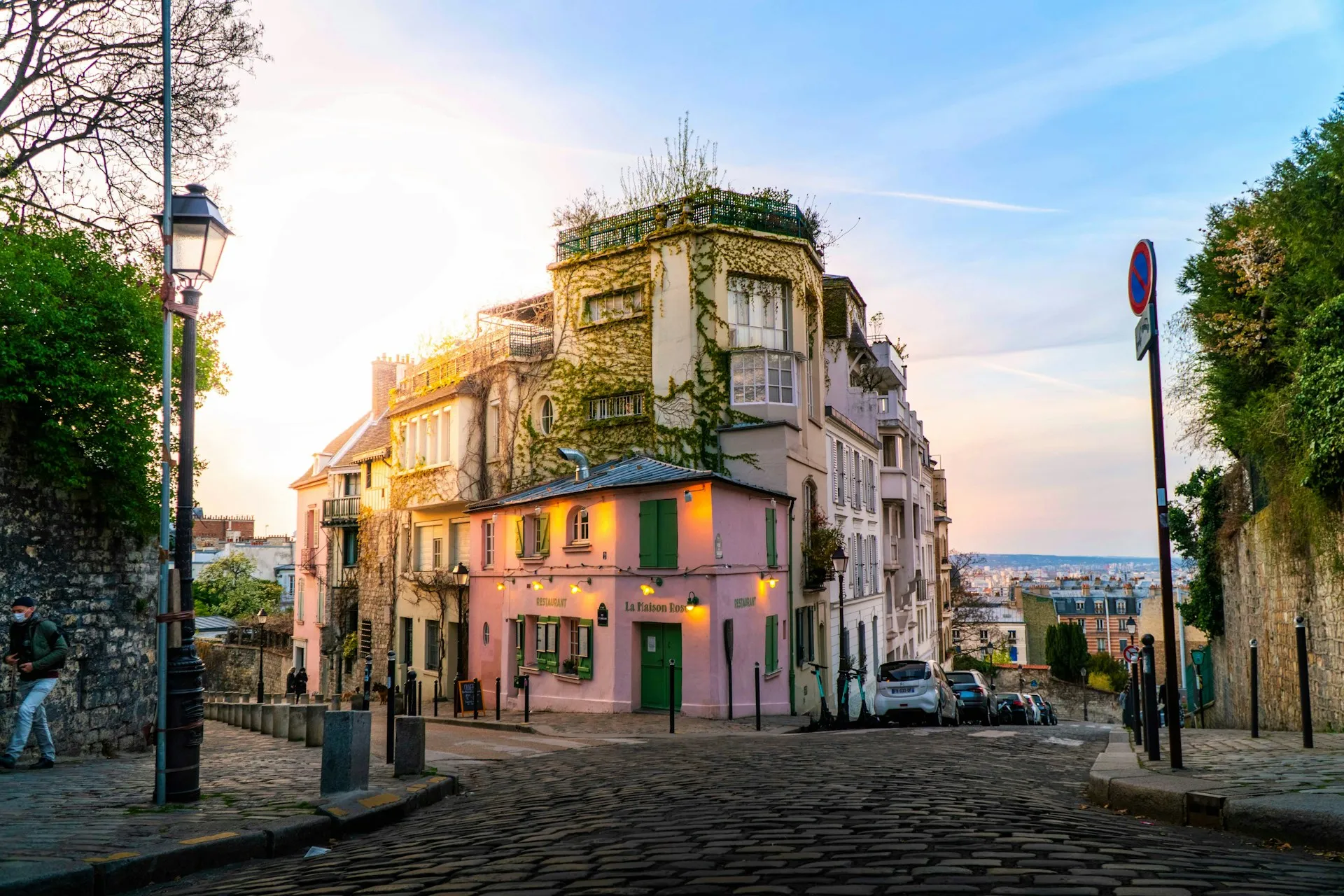

Stroll through Montmartre
In the evening, make your way to Montmartre. Begin your walk at Place du Tertre, where artists display their work. As you wander the charming streets, visit the stunning Sacré-Cœur Basilica at the top of the hill for breathtaking views of the city. Grab a quiet dinner at a local bistro nearby.

Walk Along the Seine
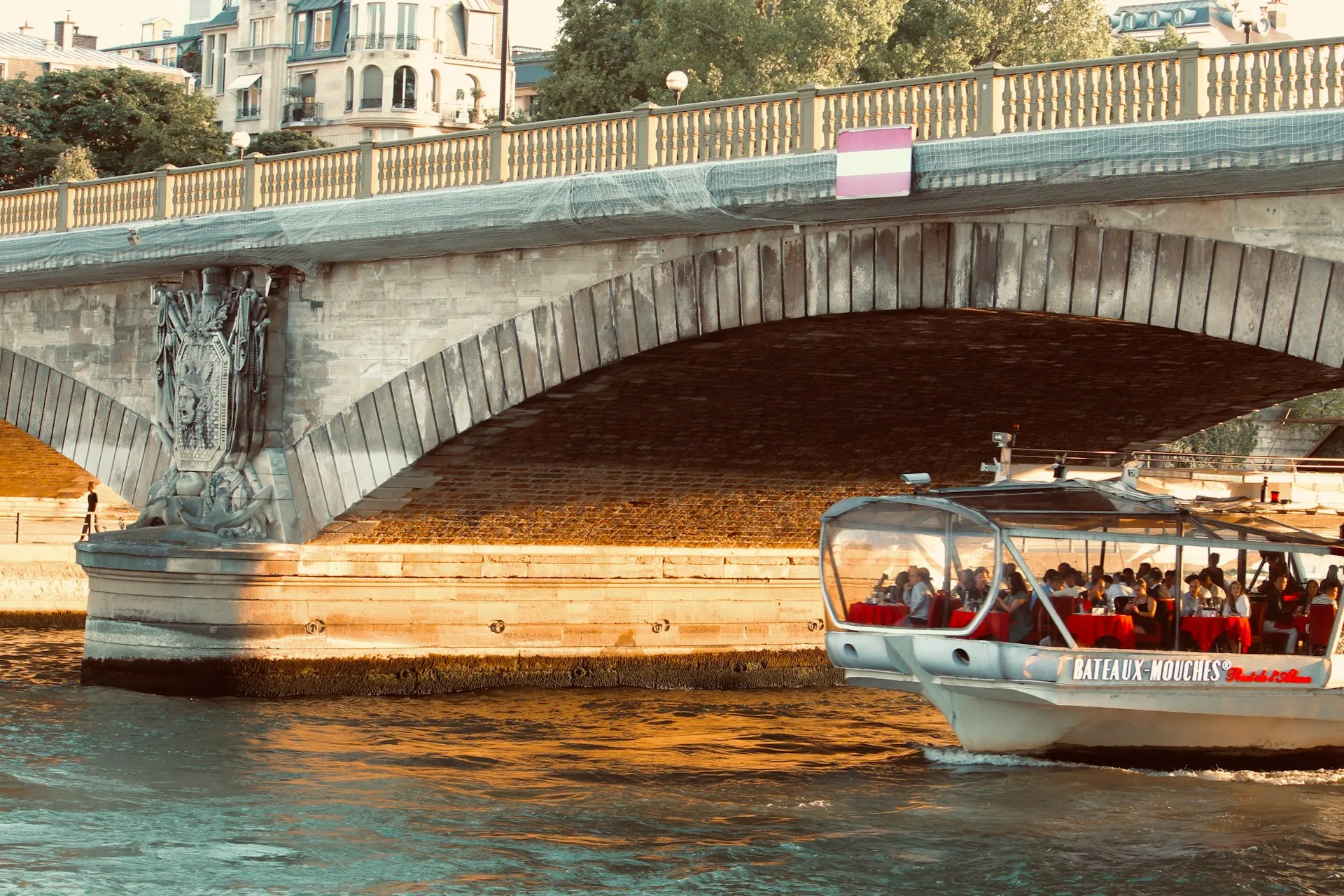
Start your day with a refreshing walk along the Seine River. Begin at the iconic Pont Alexandre III bridge, famous for its stunning sculptures. Continue your stroll towards the Musée d'Orsay, where you can admire Impressionist art inside a former railway station.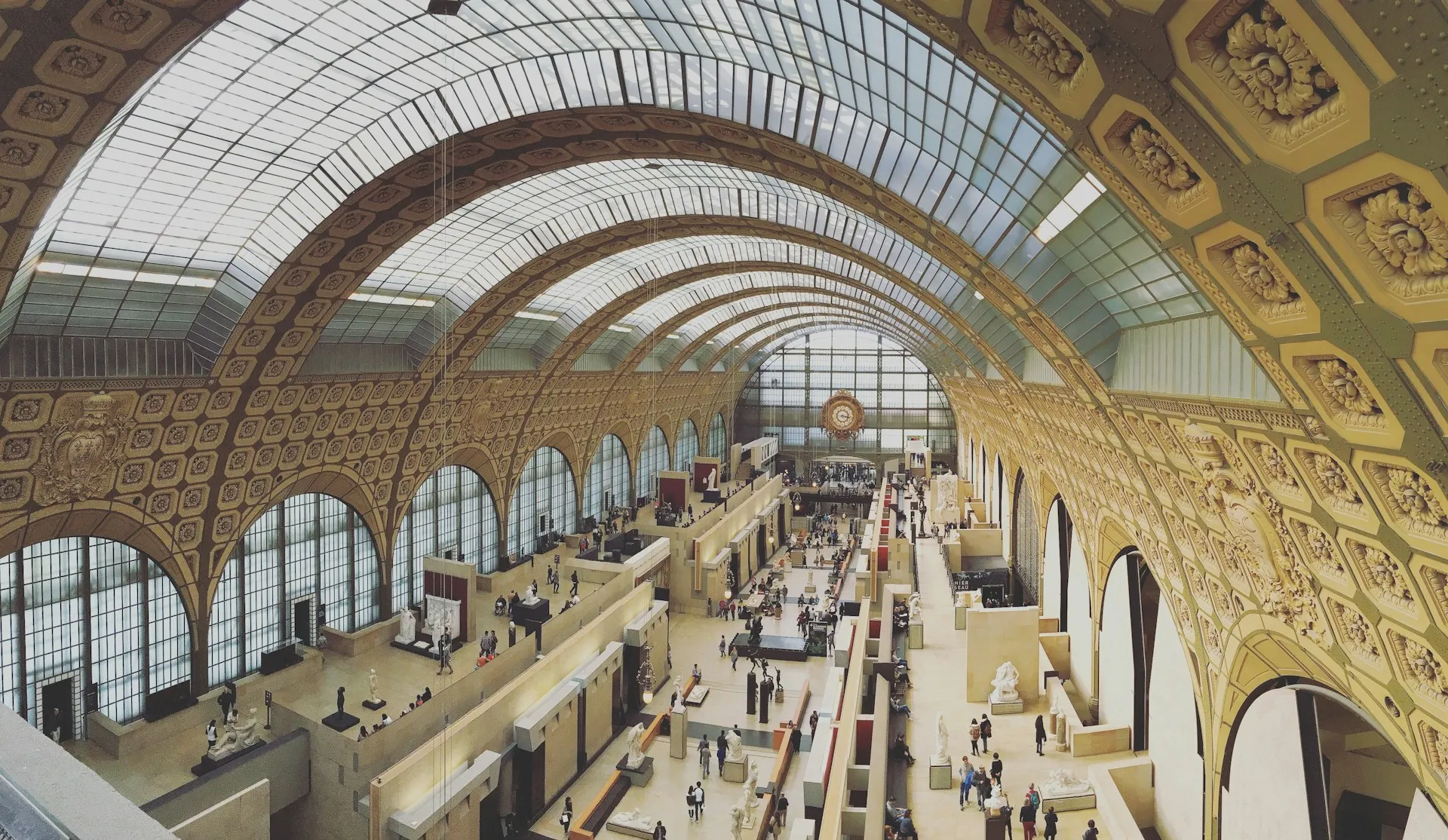

Visiting the Musée d'Orsay
Once at the Musée d'Orsay, take your time to explore its vast collection of art, including works by Monet, Van Gogh, and Degas. The museum is both beautiful and less crowded compared to the Louvre, making your visit more enjoyable. After the museum, relax at the adjacent Jardin des Tuileries.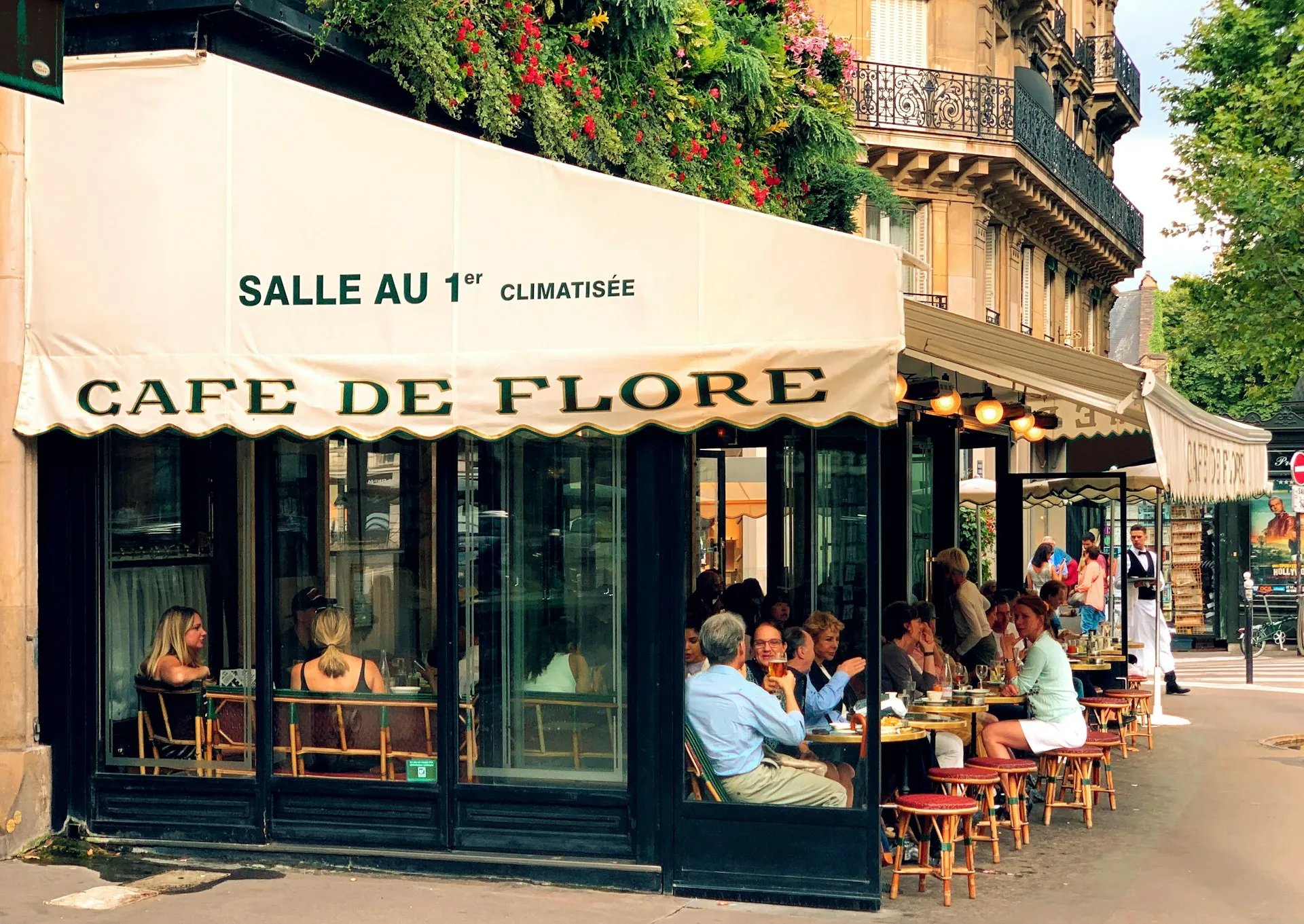

Dinner in Saint-Germain-des-Prés
For dinner, head to the trendy Saint-Germain-des-Prés area. This district is famous for its cafés and literary history. Enjoy a meal at a local café and soak in the vibrant atmosphere. If you have time, stop by Les Deux Magots for a coffee, where famous writers once gathered.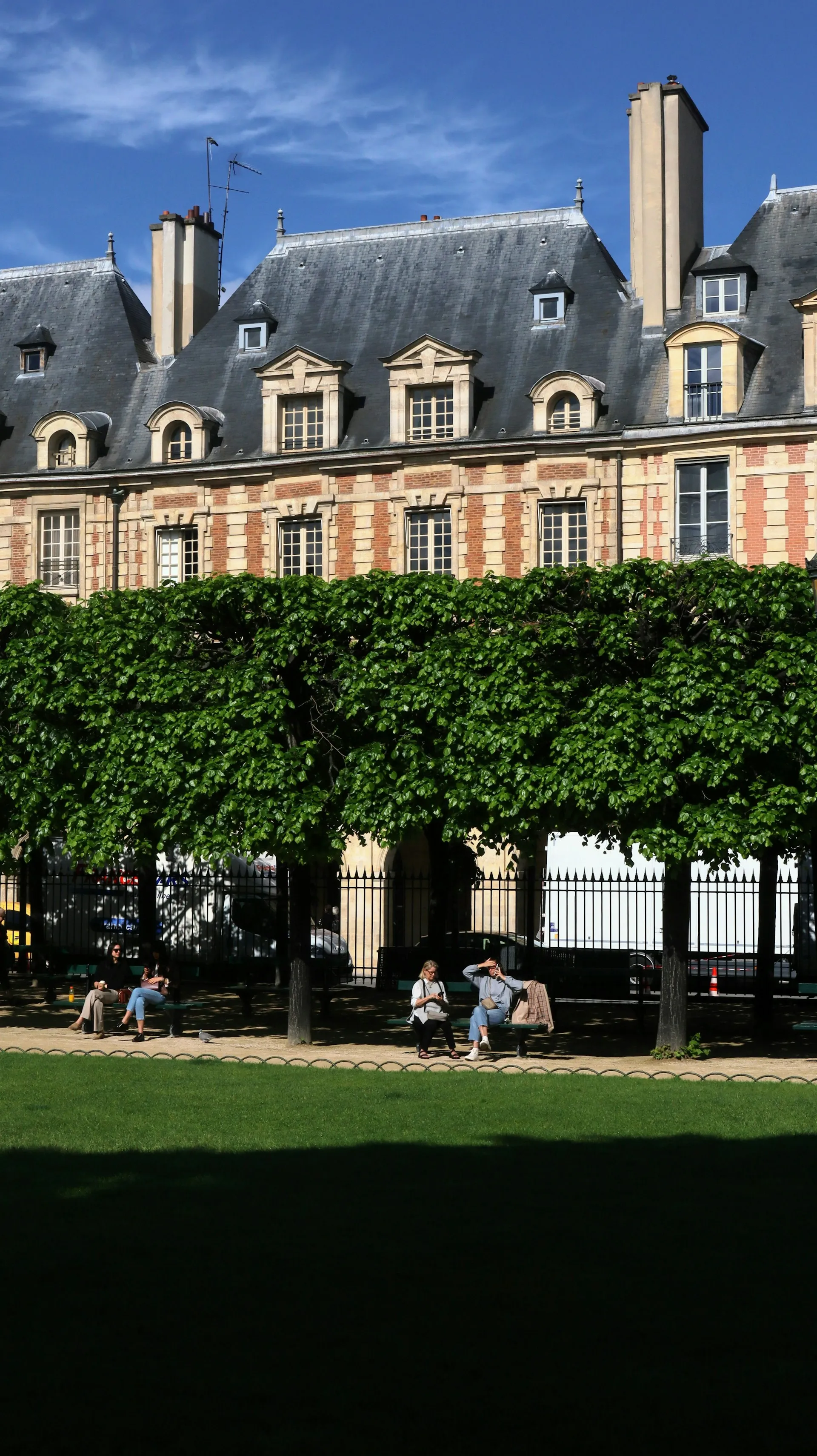

Explore Le Marais
Begin your day in the historic district of Le Marais. Start at Place des Vosges, one of the oldest squares in Paris. Take a leisurely walk through the charming streets, stopping by boutiques and galleries. Don’t miss the Musée Picasso for a dose of modern art.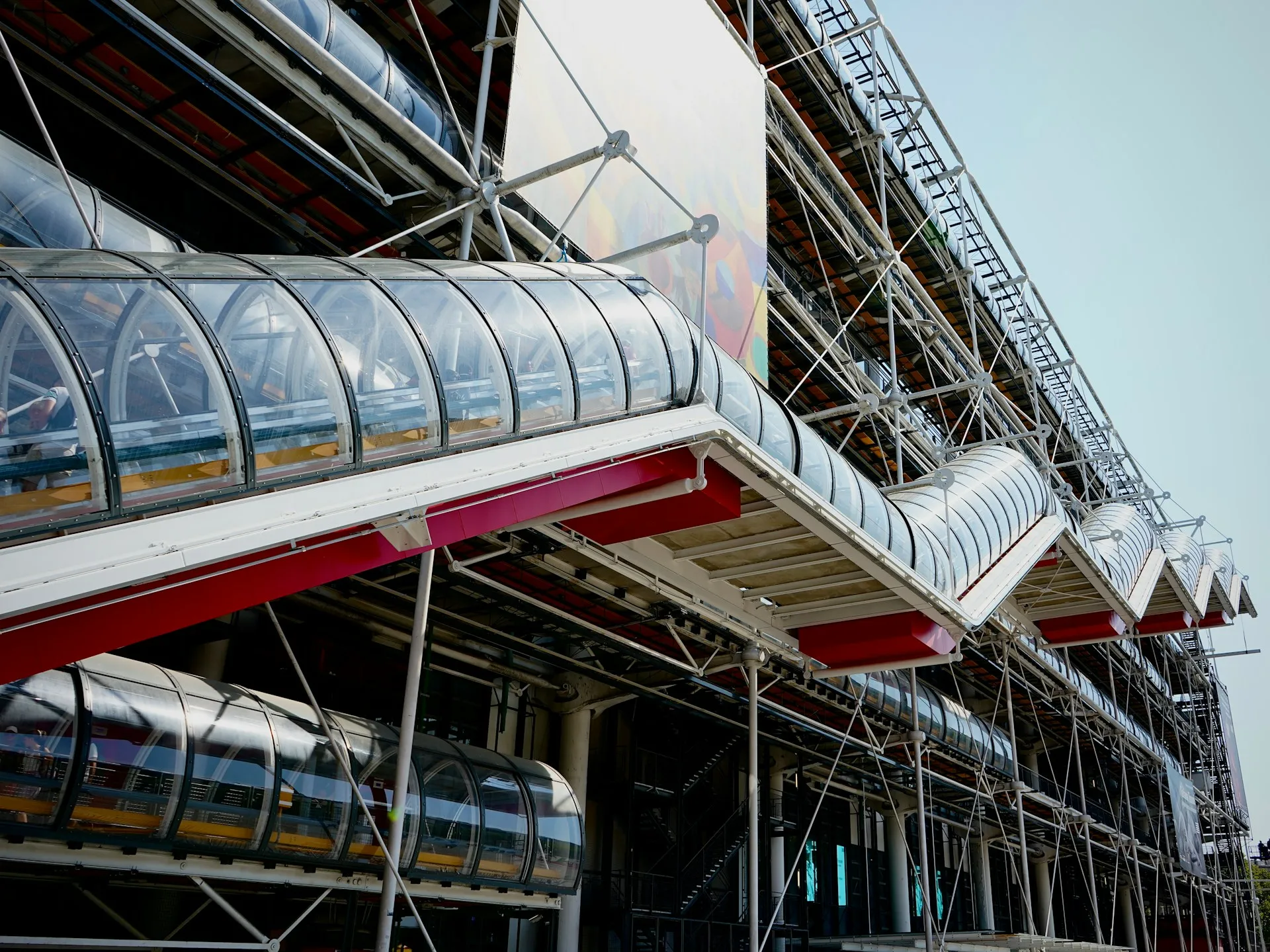

Visit the Centre Pompidou
After exploring Le Marais, make your way to the iconic Centre Pompidou. Known for its radical architecture, this cultural hub hosts contemporary art exhibitions. Spend time here and, if you wish, grab lunch from the nearby food stalls.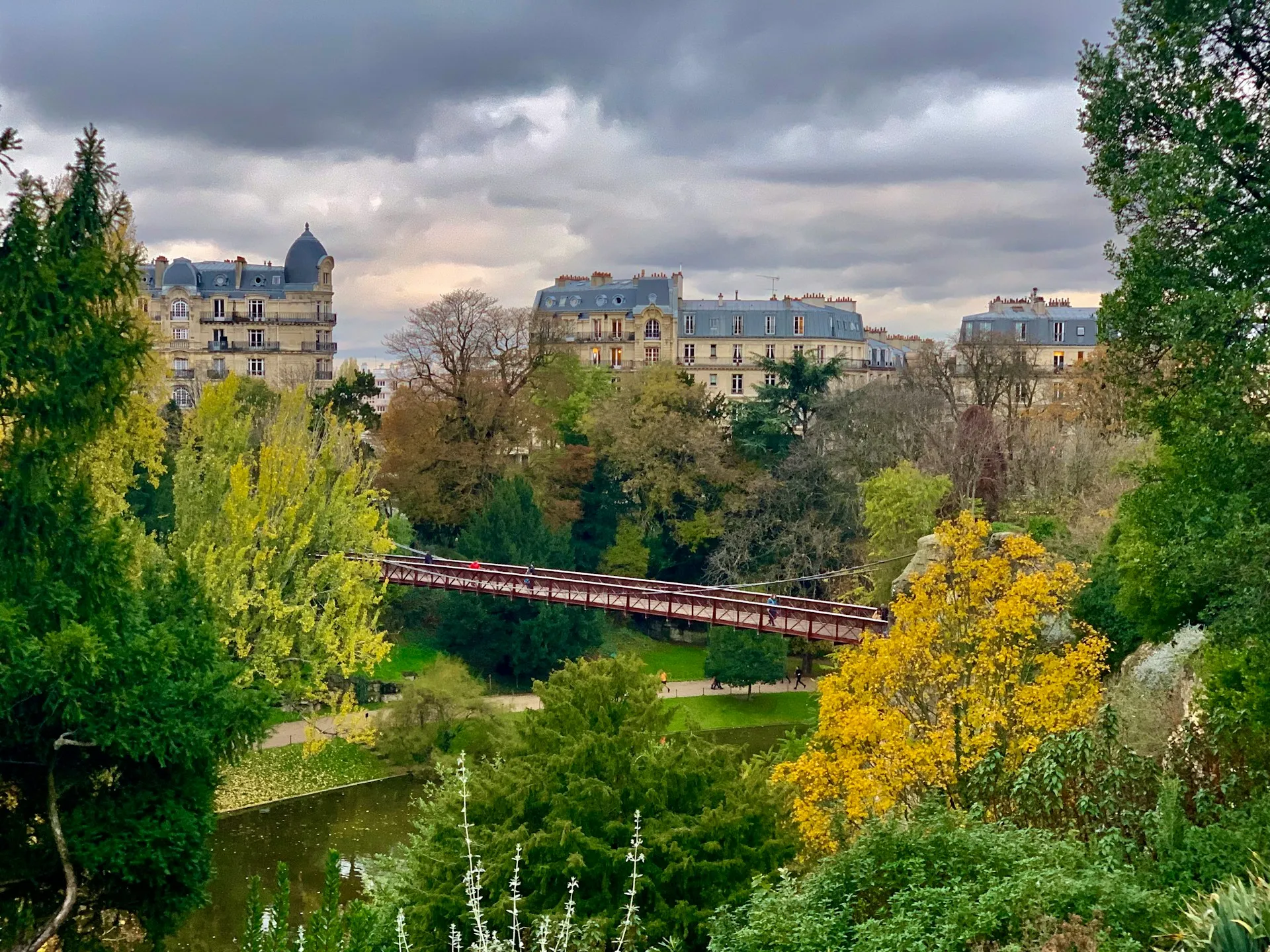

Relax at Parc des Buttes-Chaumont
End your Paris adventure with a visit to Parc des Buttes-Chaumont. This park is a hidden gem, famous for its cliffs and temple. Take a peaceful walk around the lake and enjoy the beautiful landscape. It’s a perfect spot to reflect on your trip before heading back.Weather & packing guide
Weather forecast & a tailored packing list come with your personalized Paris itinerary — matched to your travel dates.
Transport Recommendations
Airport Transfer
- •From Charles de Gaulle, the RER B usually reaches Gare du Nord or Chatelet in about 35-45 minutes, while Metro 14 is the cleanest public transport link from Orly into central Paris.
Public Transport
- •Use the Paris Metro for longer hops like Montmartre to the Marais or Saint-Germain to the Eiffel Tower area, then walk once you are inside each neighborhood cluster.
- •The RER is useful for airport trips and longer cross-city jumps, but for most central sightseeing days the Metro is the simpler system to lean on.
Tickets & Passes
- •A Navigo Easy card with loaded rides is usually the easiest setup for a short Paris trip, especially if you are mixing walking with several Metro rides per day.
- •Do not assume airport journeys use the same fare as an in-city Metro ride, because CDG and Orly transfers are priced differently from a regular central Paris ticket.
Walking & Biking
- •Paris is easiest when you walk in clusters like Ile de la Cite to the Louvre or Le Marais to Pompidou, but cobblestones, stairs, and museum floors still push many days into 8-12k steps.
- •Montmartre looks compact on the map, but the climb to Sacre-Coeur adds real effort, so save that area for a block when your legs are fresher.
Taxis & Rideshare
- •Taxis and rideshares make the most sense late at night, for airport transfers with luggage, or when line changes across Paris would take longer than a direct ride.
Cash vs Card
- •Cards work for most Paris transport and major purchases, but a little cash still helps at smaller cafes, bakeries, and market stalls.
Local Tips
Regional Food
- •A formule dejeuner is one of the best-value Paris meals, and in neighborhoods like the Marais or Saint-Germain you can often eat well for 15-25 EUR at lunch.
Neighborhoods
- •Le Marais is strong for browsing and casual food, Saint-Germain works for classic cafe culture, and Canal Saint-Martin feels younger and less polished than the monument-heavy center.
Cultural Etiquette
- •Start with bonjour before asking for a table, directions, or help in Paris shops and cafes, because that small greeting changes the tone of the interaction immediately.
Cafés & Bars
- •Choose cafes one or two streets away from places like Notre-Dame, the Louvre, or Montmartre if you want better prices and a less rushed Paris atmosphere.
Frequently Asked Questions
Use the Metro plus walking. The Metro is best for longer hops, while areas like the Marais, Saint-Germain, and the Louvre side of the Seine are easiest once you are already on foot.
Yes for the major timed sights. The Louvre, Eiffel Tower, Sainte-Chapelle, and Catacombs are much easier when booked ahead, especially on weekends and in peak season.
Yes, with short Metro breaks. Expect around 8-12k steps per day and use the Metro between clusters like Montmartre, the Marais, and the Left Bank.
For most short trips, use a Navigo Easy card with loaded rides. It is simpler for regular Metro use, while airport routes are a separate decision.
From CDG, the RER B is usually the easiest train into central Paris. From Orly, Metro 14 is the cleanest direct public transport option into the city.
Spring and early autumn are the easiest seasons. April to June and September to October usually give you pleasant walking weather without peak summer pressure.
Yes, with normal caution. Pickpocketing is the main issue on the Metro and around crowded landmarks, so keep bags closed and phones secure.
Cards are accepted almost everywhere in Paris. Carry a little cash only for small cafes, markets, or backup.
Service is already included in Paris restaurant bills. Round up or leave a small extra amount only when the service was especially good.
You need a Type C or E adapter. France uses 230V power, so make sure your devices support that voltage.
Book 1-2 weeks ahead if you want a specific time. Evening and sunset slots disappear the fastest, especially in warmer months.
Ready for Your Next Adventure?
Loved this itinerary? Let's create another personalized travel experience just for you. Discover new destinations and make more unforgettable memories.
Start Planning Your Next TripHow was your itinerary?
Look into other itineraries
Keep exploring other destinations you might love!
Make this Paris trip yours
Tailored to your dates, budget, pace & interests