Colosseum, Rome

Rome

Colosseum, Rome

Photo by Alex Suprun

About Rome

Rome, the Eternal City, blends ancient wonders with vibrant street life. From the iconic Colosseum and the sweeping ruins of the Roman Forum to masterpieces in Vatican City, Rome offers history, art, and cuisine at every turn. Stroll cobblestone lanes, sip espresso in bustling piazzas, and discover layers of culture shaped over millennia—perfect to explore on foot with quick metro or bus hops between districts.

When to Visit

Jan
48 ºF / 9 ºC
12 days of rain
Low
Feb
50 ºF / 10 ºC
9 days of rain
Low
Mar
54 ºF / 12 ºC
11 days of rain
Moderate
Apr
57 ºF / 14 ºC
12 days of rain
Busy
May
65 ºF / 18 ºC
12 days of rain
Very busy
Jun
77 ºF / 25 ºC
5 days of rain
Very busy
Jul
82 ºF / 28 ºC
3 days of rain
Very busy
Aug
81 ºF / 27 ºC
6 days of rain
Busy
Sep
73 ºF / 23 ºC
10 days of rain
Busy
Oct
65 ºF / 18 ºC
10 days of rain
Busy
Nov
55 ºF / 13 ºC
12 days of rain
Moderate
Dec
50 ºF / 10 ºC
12 days of rain
Moderate

Things to Do in Rome

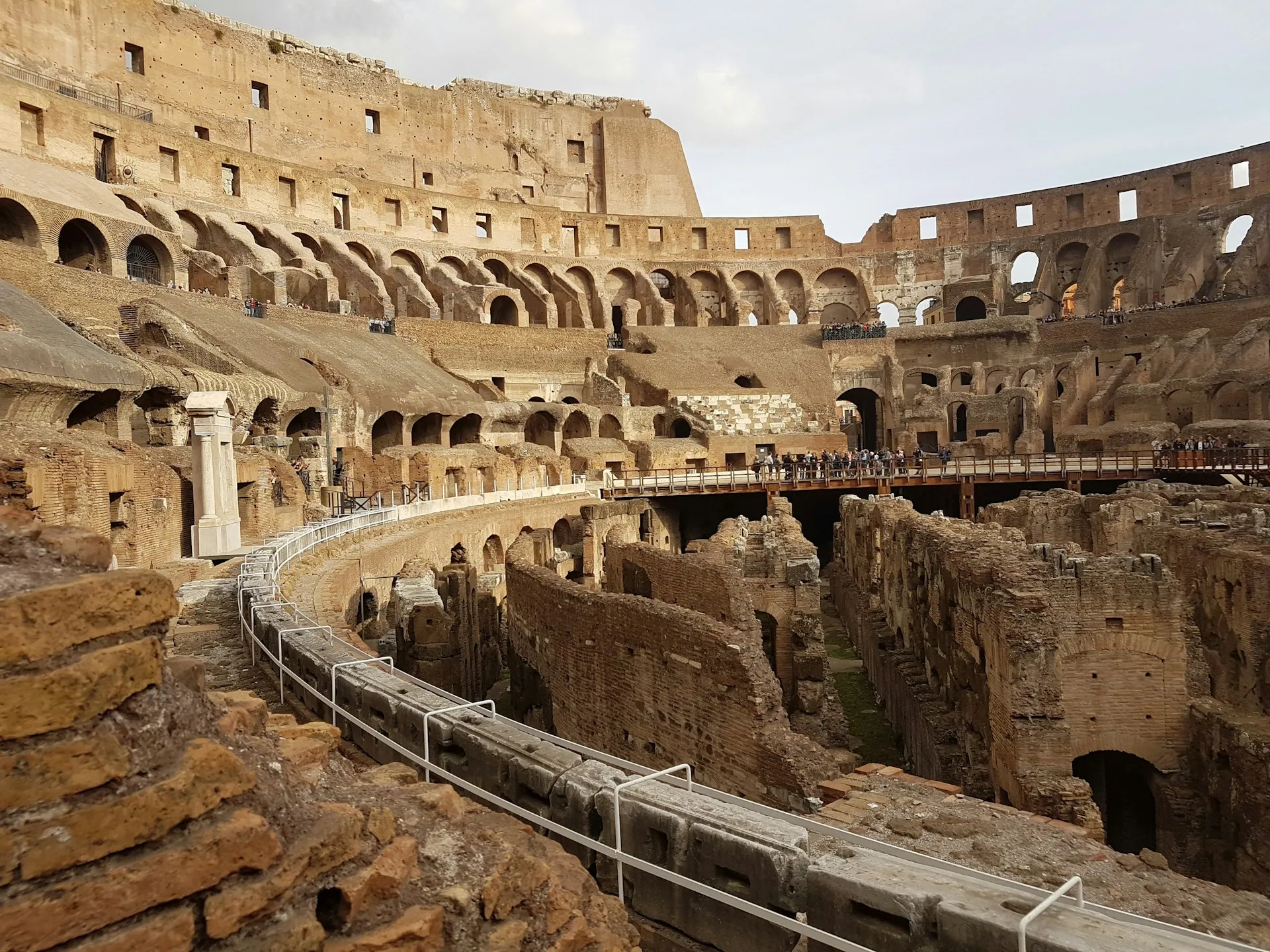
Colosseum, Rome
🏛️

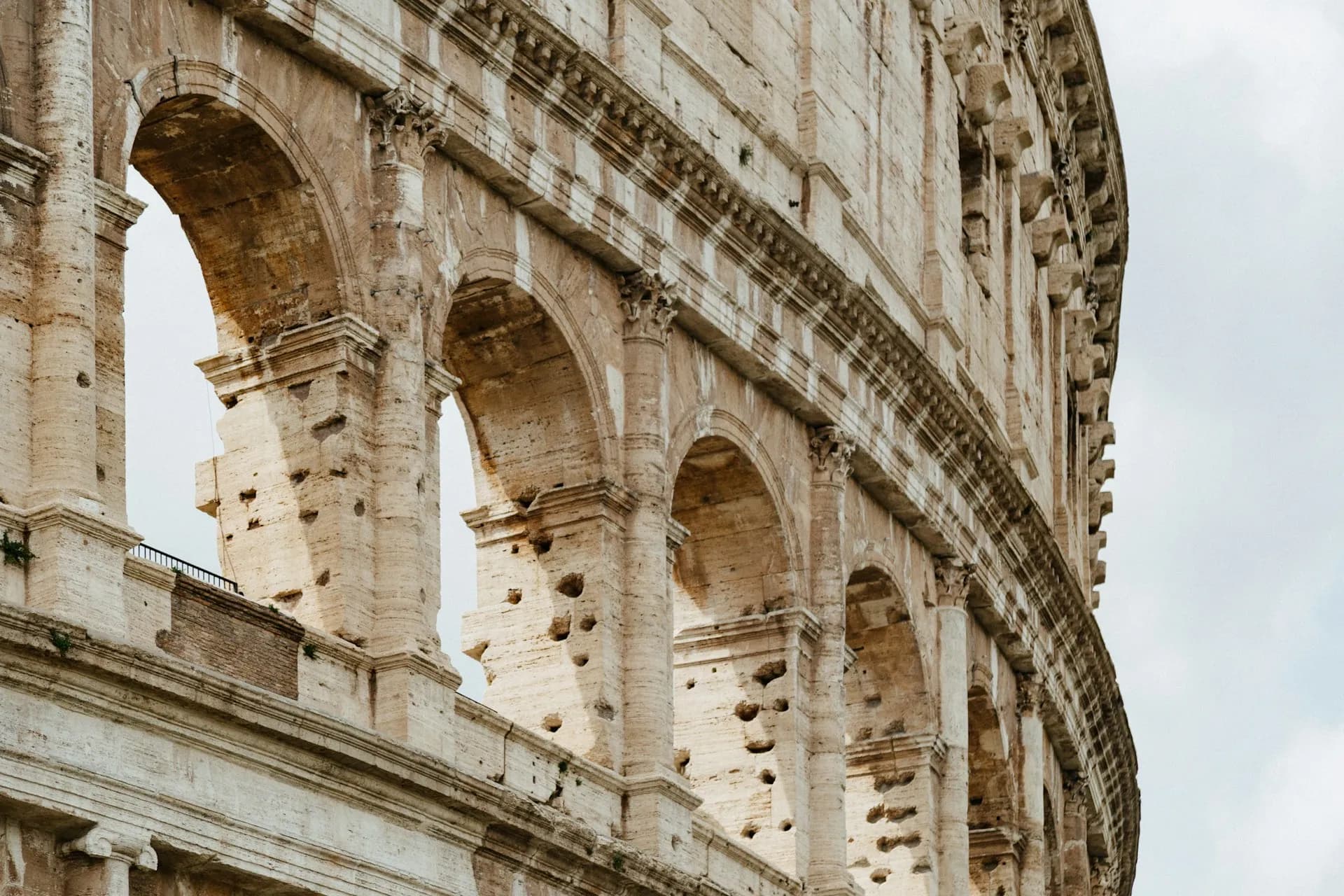
Colosseum

Rome's most iconic monument still delivers on a first visit. Touring the Colosseum gives you a direct sense of imperial Rome, and early entry usually makes the experience smoother and cooler.

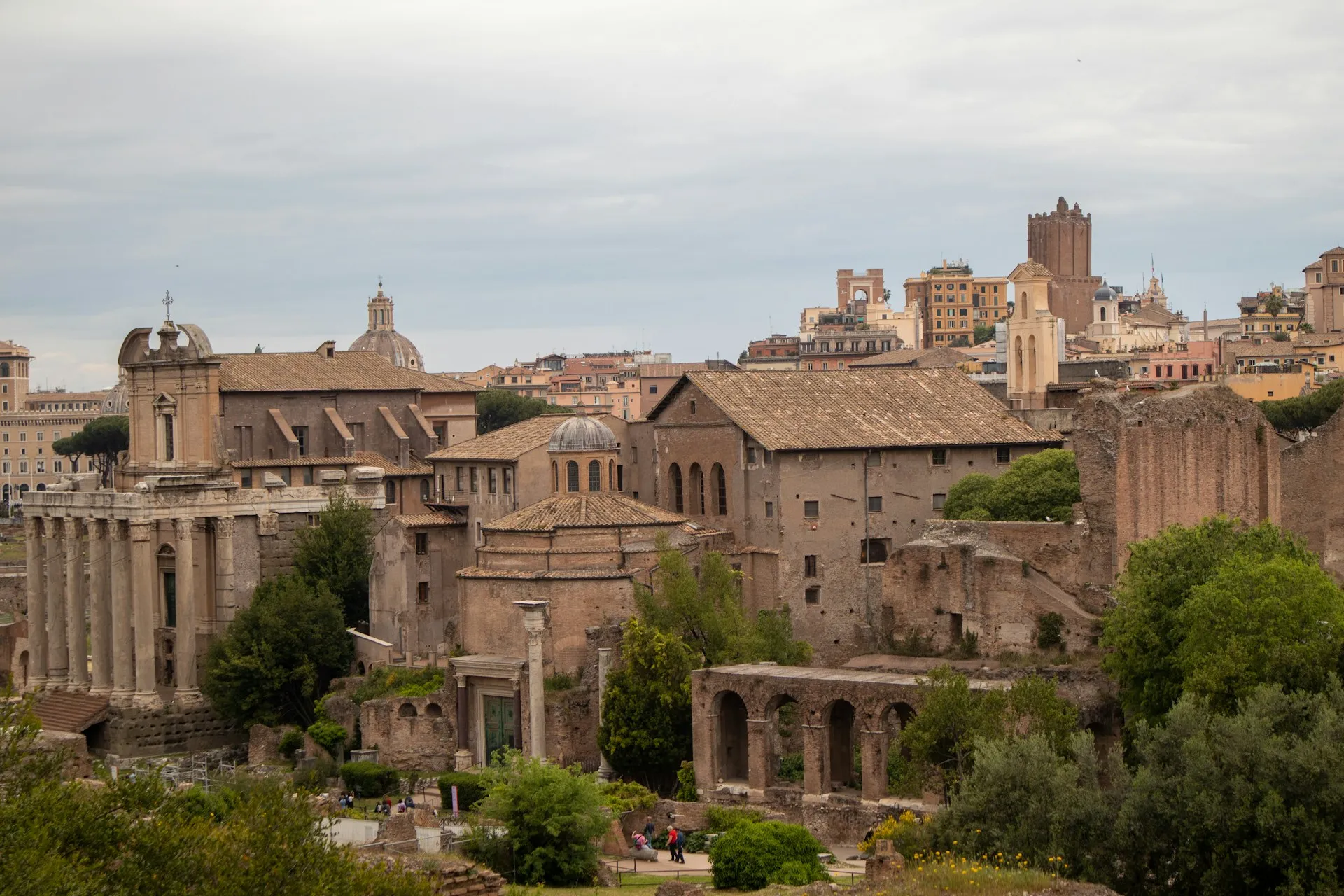
Roman Forum, Rome
🏺

Roman Forum and Palatine Hill

Pair the Colosseum with the Roman Forum and Palatine Hill to understand how ancient Rome actually functioned. The ruins, viewpoints, and layered archaeology make this one of the city's essential half-day experiences.

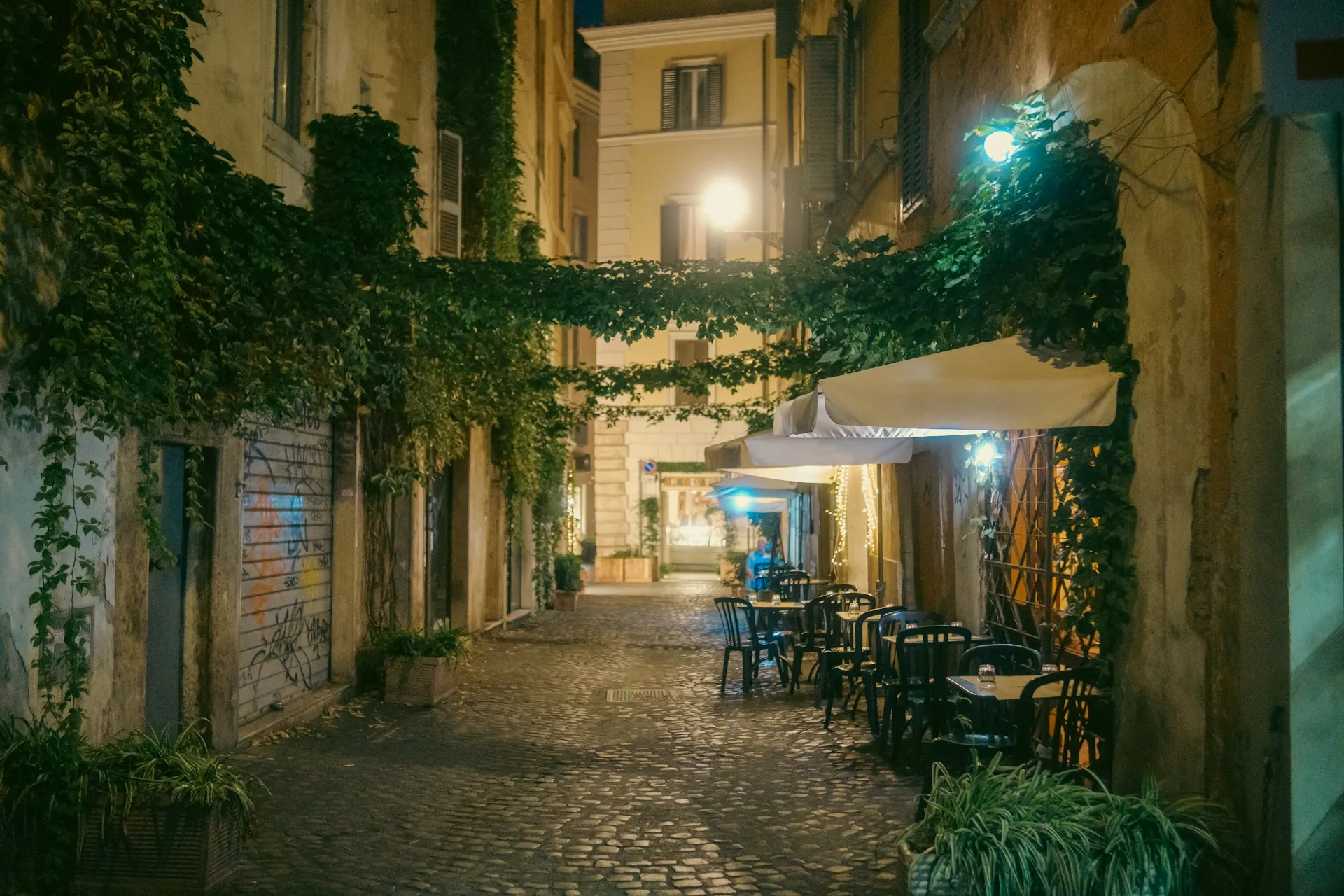
Trastevere, Rome
🍝

Trastevere

Trastevere is one of the best places to slow down after monument-heavy sightseeing. Its cobbled streets, ivy-covered facades, trattorias, and evening buzz make it a reliable pick for food and atmosphere.

Vatican Museums, Vatican City
🎨

Vatican Museums

The Vatican Museums are one of the world's great art collections, from classical sculpture to the Sistine Chapel. Timed tickets matter here, especially if you want to avoid the longest queues.

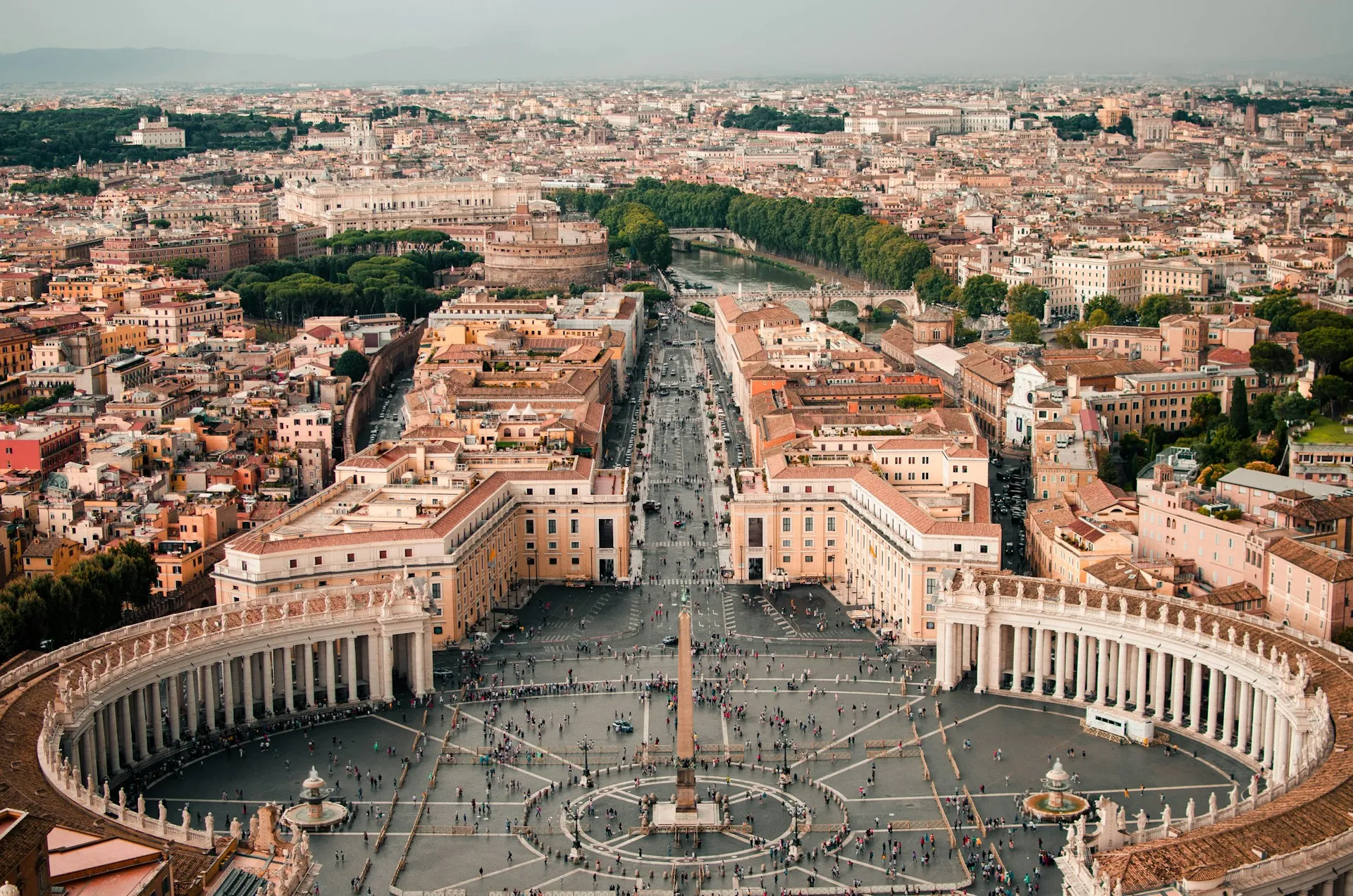
St. Peter's Basilica, Vatican City

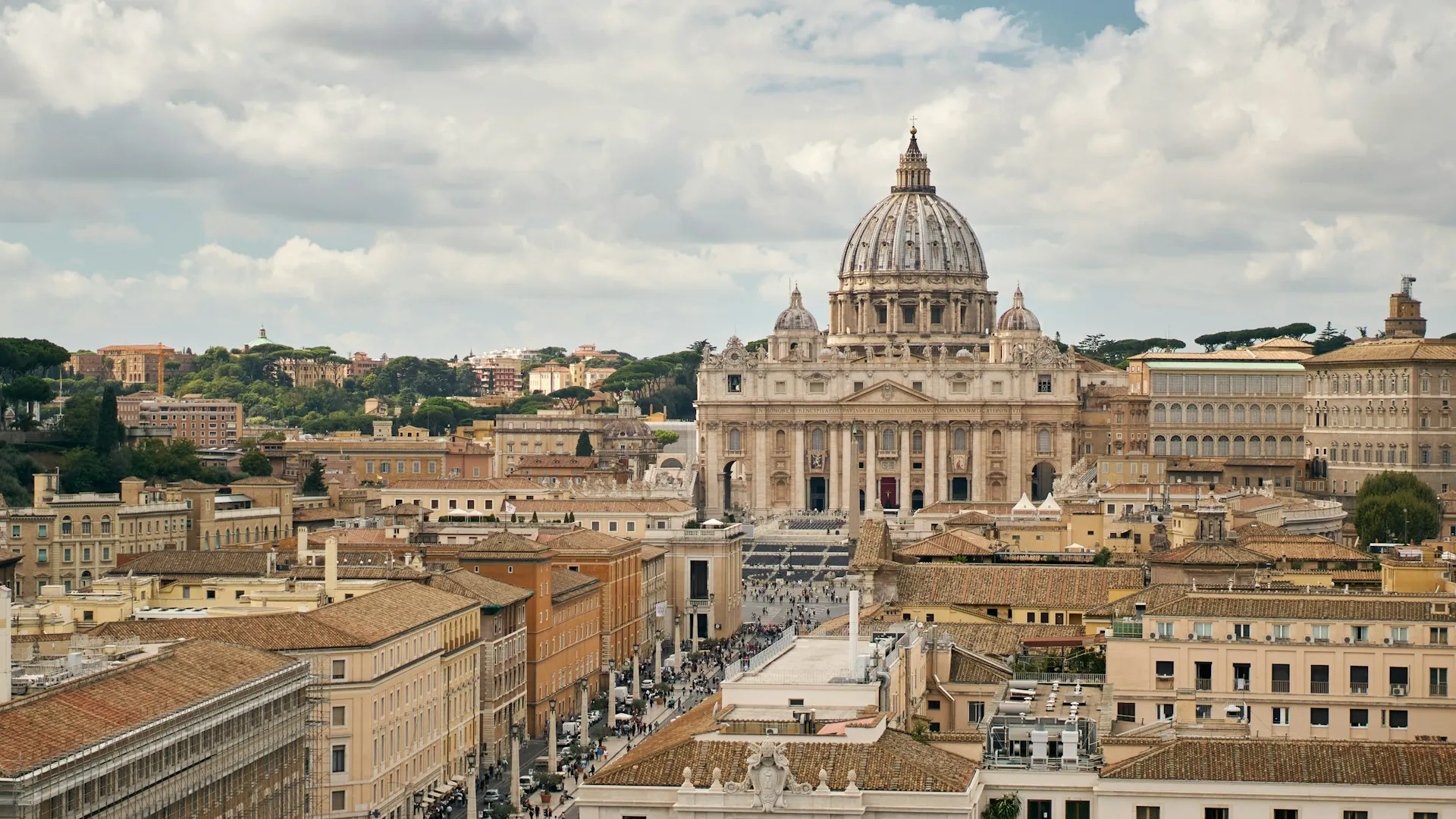
St. Peter's Basilica

St. Peter's Basilica is one of Rome's most important architectural and spiritual landmarks. The vast interior is impressive on its own, and the dome climb adds one of the best panoramic views in the city.

Piazza Navona, Rome
🍦

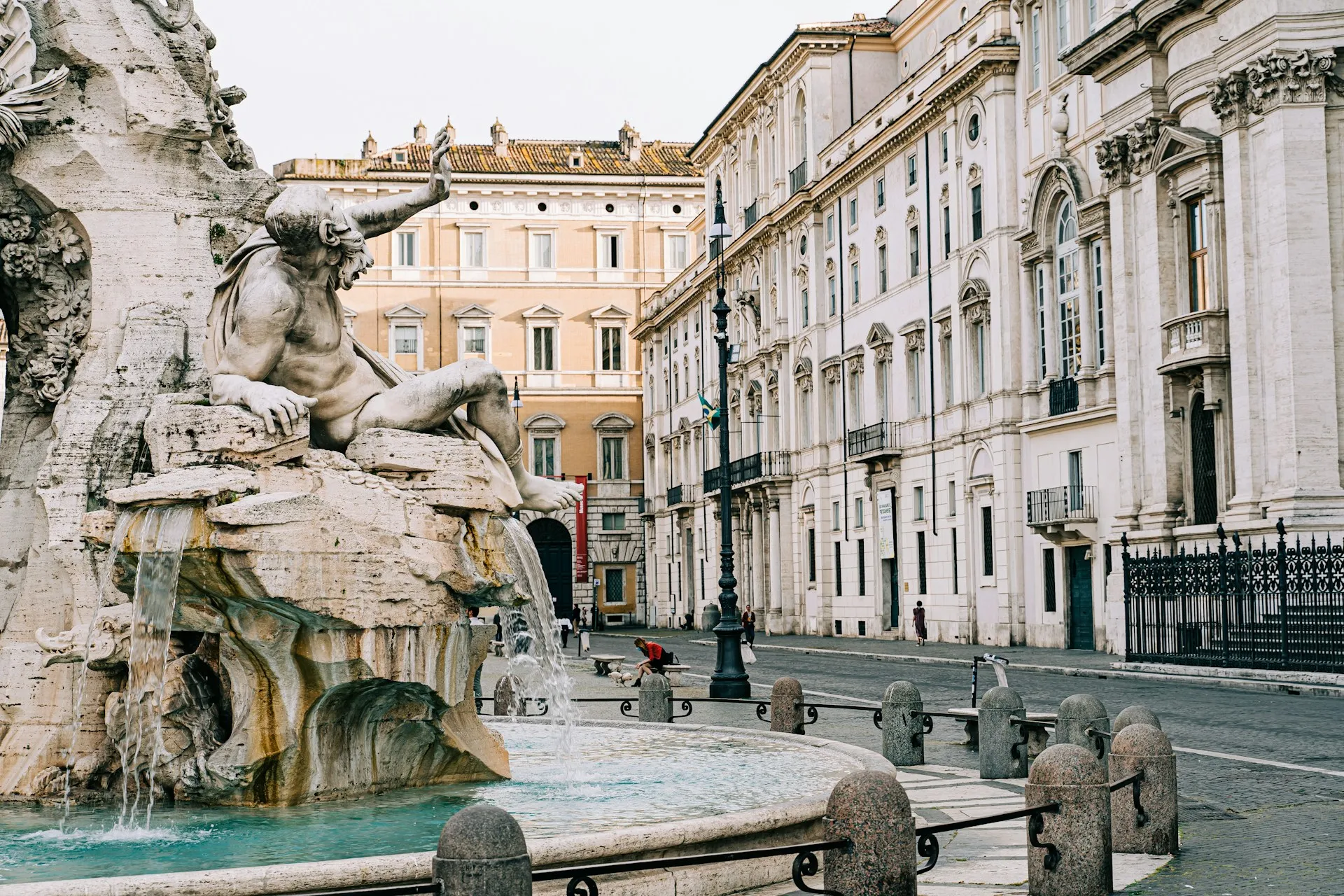
Piazza Navona

Piazza Navona is one of the easiest places to enjoy Rome's baroque side without overplanning. Come for the fountains, church facades, and people-watching, then stay for an evening passeggiata or gelato stop.

Rome Itineraries

Rome FAQ

For most travelers, the best time to visit Rome is April to June or September to October. Those months usually give you the best balance of walking weather, long sightseeing days, and slightly easier conditions than peak midsummer heat.

Three to four days is a strong minimum for a first Rome trip. That gives you enough time for the Colosseum, Roman Forum, Vatican Museums, St. Peter's Basilica, a few major piazzas, and at least one slower neighborhood evening like Trastevere.

Yes, booking ahead is the safer move for both. The Colosseum and Vatican Museums are Rome's most time-sensitive attractions, and the better morning slots can disappear quickly in spring, summer, and on weekends.

Yes, Rome is very walkable when you explore it in clusters such as the ancient center, the historic core around Piazza Navona and Trevi, or Vatican City. Use the Metro or buses for longer jumps, because crossing the whole city on foot wastes time and energy.

Centro Storico, Trastevere, Monti, and Prati are among the best areas for first-time visitors. They keep you close to major sights, good dining options, and practical transport without forcing long daily transfers.

Rome can be moderately expensive, but it is manageable with planning. Major costs are timed-entry attractions and hotels in the center, while food gets better value if you walk a few streets away from the biggest landmarks.

Cards are accepted widely in Rome, but carrying a little cash still helps. Small cafes, market purchases, older neighborhood spots, and quick snack stops are the places where cash remains most useful.

When visiting churches in Rome, especially St. Peter's Basilica and other major basilicas, shoulders and knees should be covered. In warmer months it helps to carry a light scarf, shawl, or overshirt so you can adapt without changing your whole outfit.